Bitcoin Holds the $82,000–$85,000 Range as Cooler Inflation Meets a Stalled CLARITY Act
By Emily Carter
Policy Correspondent · October 1, 2026
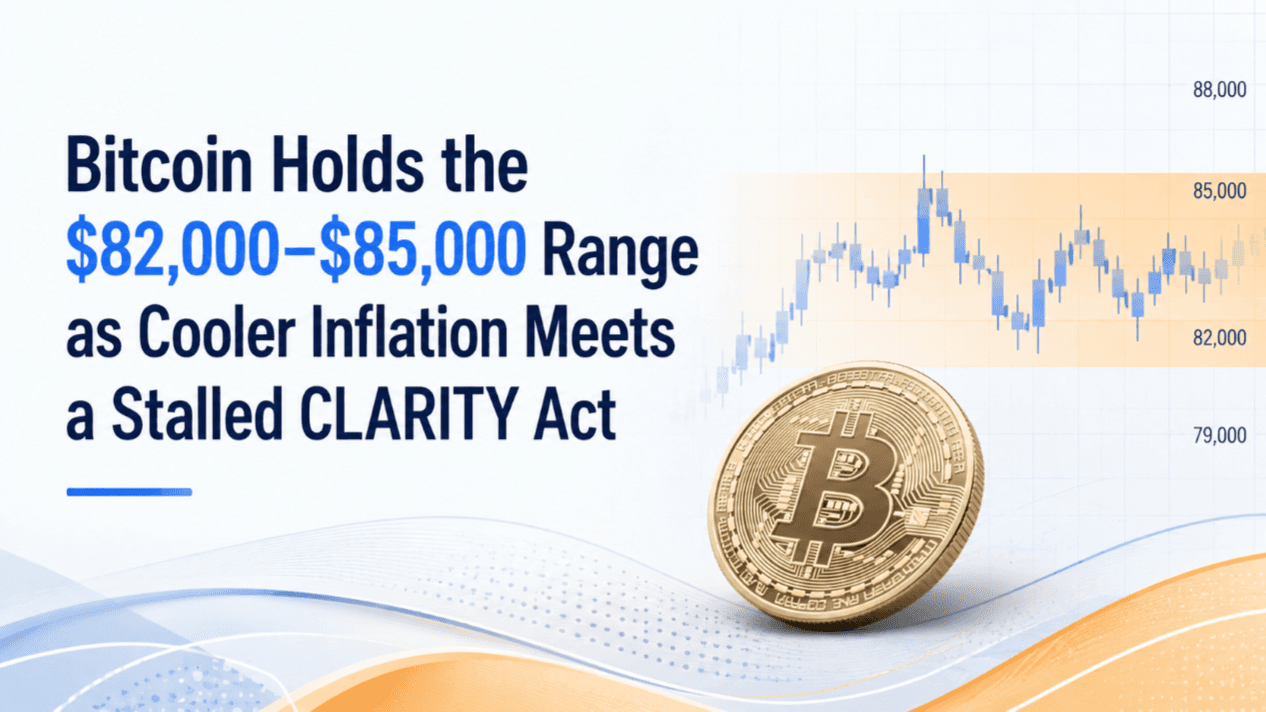
Bitcoin opened the fourth quarter the way it closed the third: trapped in a tight band. Two US stories are shaping sentiment right now, a cooler inflation reading that revived hopes for easier Fed policy and a legislative setback that leaves the rules for the industry unsettled.
Soft Inflation Gives Bitcoin a Short-Lived Lift
The latest US data offered traders a reason to cheer. August core PCE inflation eased to 3% year over year, its lowest level since February and below the 3.3% economists expected. The monthly reading came in at 0.2%, also under forecasts.
Markets responded quickly. According to CME FedWatch data, the probability of a Fed rate hike in October dropped to about 37% from roughly 51% a day earlier. Bitcoin briefly climbed above $85,000 before settling near $83,500 at Wednesday's close.
Why the Rally Faded
The move lacked follow-through. Long-term Treasury yields stayed elevated, with the 30-year yield topping 5.6%, and that kept pressure on risk assets. Spot Bitcoin ETFs also failed to provide the extra demand bulls were hoping for. As a result, Bitcoin remains stuck between $82,000 and $85,000, extending more than a week of choppy, sideways trading.
Longer-term views are more upbeat. Citigroup raised its 12-month Bitcoin target to $113,000, pointing to a return of ETF inflows. For now, though, price action suggests the market is waiting for a clearer macro signal.
CLARITY Act Stalls Despite Heavy Lobbying
Washington delivered the second major headline. An analysis of federal lobbying disclosures found that crypto companies and industry groups spent more than $13 million on lobbying in the first half of 2026. About $8 million of that was tied, through disclosure language, to the Digital Asset Market Clarity Act. Because filings often cover several issues at once, the exact amount spent on the bill alone is not known.
Coinbase was the largest individual spender at roughly $2.2 million, followed by Kraken at close to $1 million. Digital Currency Group, Jump Crypto and Paradigm were also among the larger names. Despite this effort, the bill, which had cleared the House with bipartisan support, fell short of the 60 votes needed in the Senate.
What Comes Next for US Crypto Regulation
With the legislation stalled, US agencies are moving ahead with their own rules instead of waiting for Congress. That path can bring faster clarity, but it also leaves the framework more exposed to policy shifts than a permanent law would.
The Bottom Line
Bitcoin's next big move depends on two things: whether inflation and bond yields give the Fed room to ease, and whether US regulation gets a firmer legal footing. Until then, range-bound trading looks likely. This article is for information only and is not financial advice.
CryptoCoinBeat Newsroom · Published October 1, 2026 · Informational, not financial advice.
More from the wire
- MarketsCoinbase Wins CFTC Clearinghouse Approval as SEC Updates Token Buyback Guidance
- MarketsBitcoin Slips Toward $83,000 as Iran Risk Offsets ETF Inflows, While Bitget Reopens Withdrawals After $388M Hack
- MarketsSEC's "Crypto Mom" Steps Down as Bitcoin Holds Near $84K: What It Means for the US Market
- MarketsBitcoin's ETF-Fueled Rally Meets a New Regulatory Reality as the Fed Moves on Stablecoins
- MarketsU.S. Crypto Regulation Gains Momentum as CFTC Pushes Ahead While Bitcoin ETFs Rebound