Markets· 9 min
How to Choose a Crypto Exchange: A Ten-Point Checklist
Fees are the least important thing on this list. Here are the ten checks that decide whether an exchange is a reasonable place to keep money.
Emily Carter · September 17, 2026→
Journalism for the digital-asset economy
Policy Correspondent
Former regulatory analyst · J.D.
Emily Carter is a legal and regulatory writer specializing in cryptocurrency, blockchain policy, and digital asset compliance. Before joining CRYPTO·COINBEAT, she worked as a regulatory analyst in the United States, tracking developments in federal financial legislation, anti-money laundering (AML) requirements, and emerging policies shaping the digital asset industry. She earned her Juris Doctor (J.D.) degree and combines legal expertise with a talent for translating complex regulatory topics into clear, accessible language. Her work focuses on cryptocurrency taxation, DeFi regulation, exchange compliance, stablecoins, and the evolving role of U.S. agencies in overseeing digital assets. At CRYPTO·COINBEAT, Emily writes educational guides and policy explainers designed for both newcomers and experienced crypto users. She is committed to helping readers understand how regulatory changes affect investors, businesses, and the broader blockchain ecosystem.
Fees are the least important thing on this list. Here are the ten checks that decide whether an exchange is a reasonable place to keep money.
Emily Carter · September 17, 2026→
Requiring several signatures removes the single point of failure — and adds an operational burden most individuals do not need. Here is where the line sits.
Emily Carter · September 11, 2026→
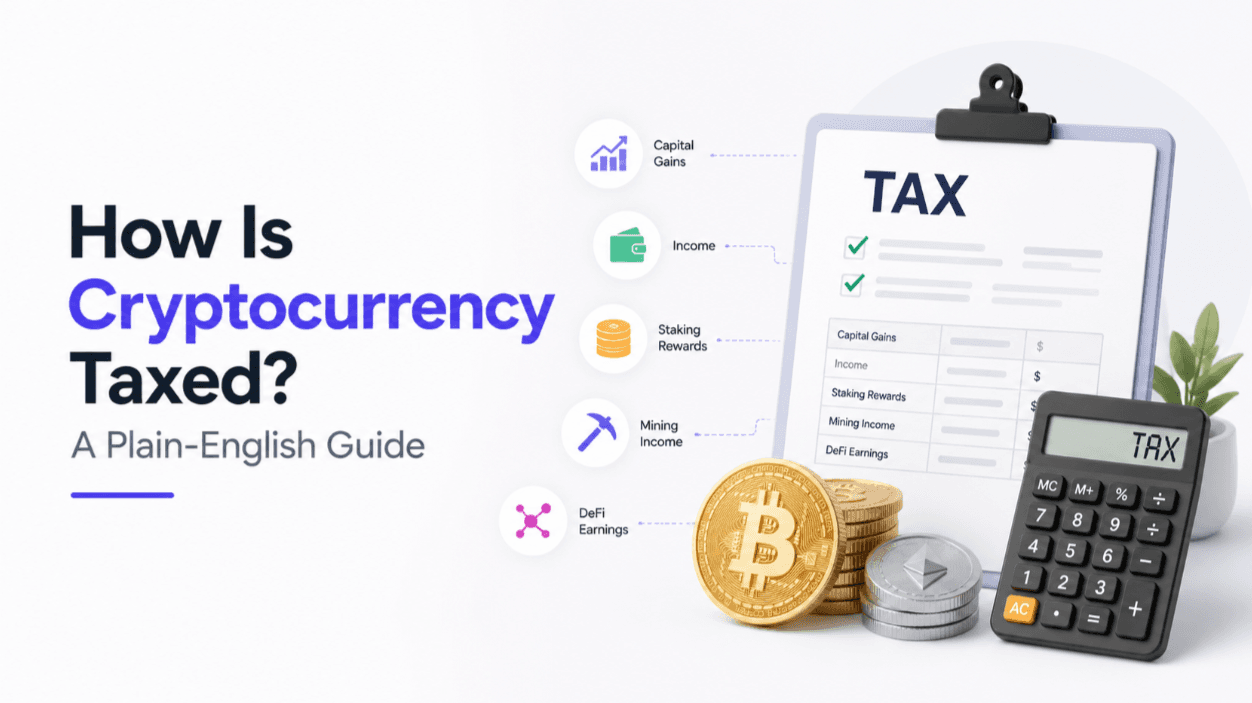
Most tax authorities treat crypto as property, so disposals trigger gains while certain rewards count as income. Here is how the pieces fit together.
Emily Carter · June 13, 2026→
There is no single global rulebook for crypto. Instead, overlapping authorities apply securities, payments and anti-money-laundering law in ways that vary by country.
Emily Carter · June 2, 2026→
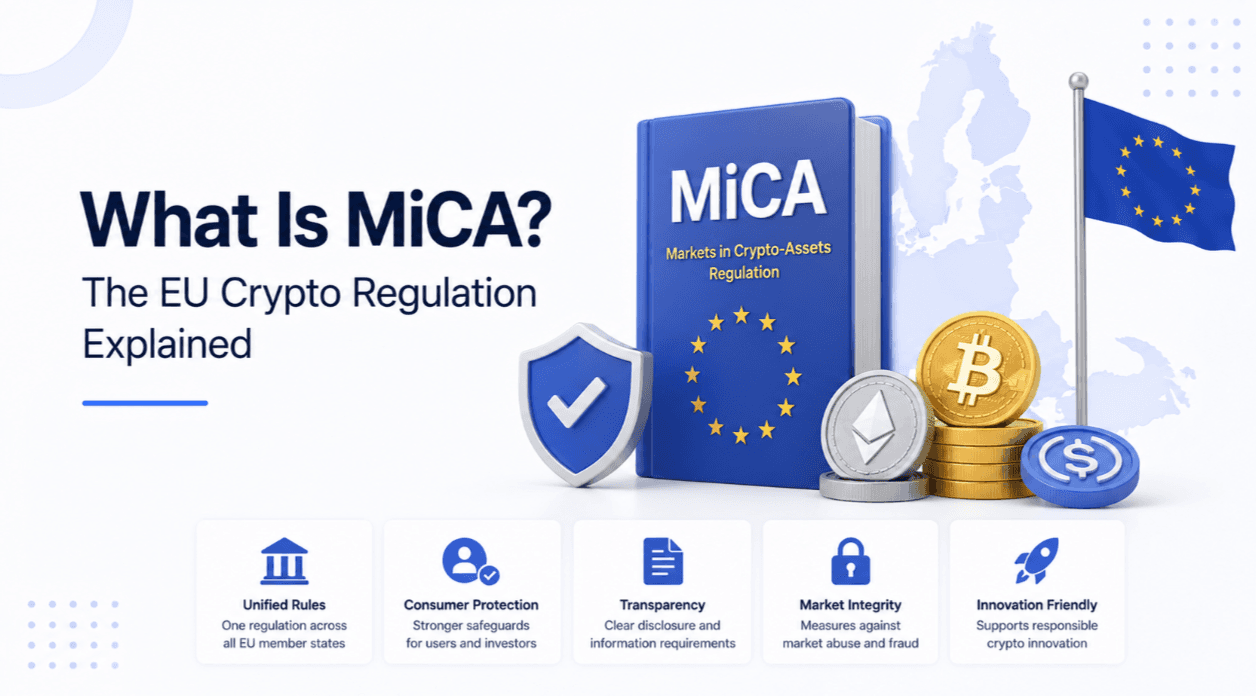
MiCA is the European Union's dedicated framework for crypto-assets, creating one set of rules across member states for issuers, stablecoins and service providers.
Emily Carter · May 23, 2026→
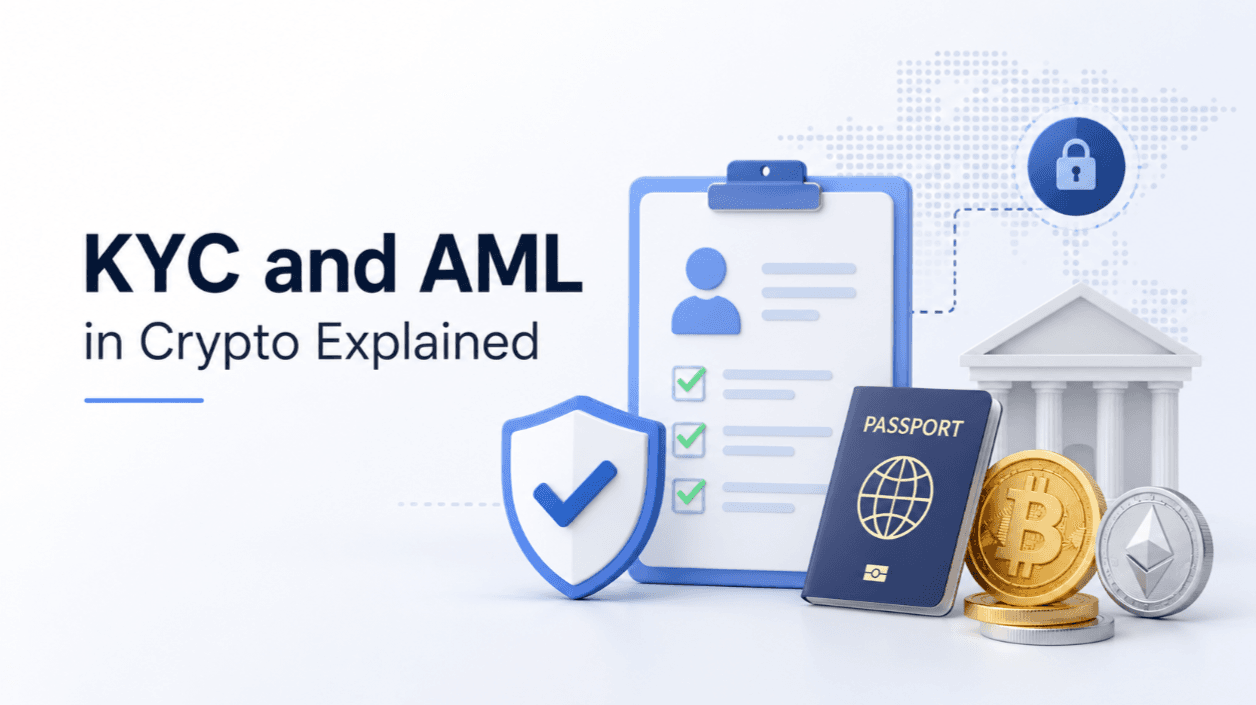
KYC verifies who you are; AML is the broader effort to stop illicit money moving through crypto. Together they shape how regulated platforms operate.
Emily Carter · April 27, 2026→