Ethereum· 8 min
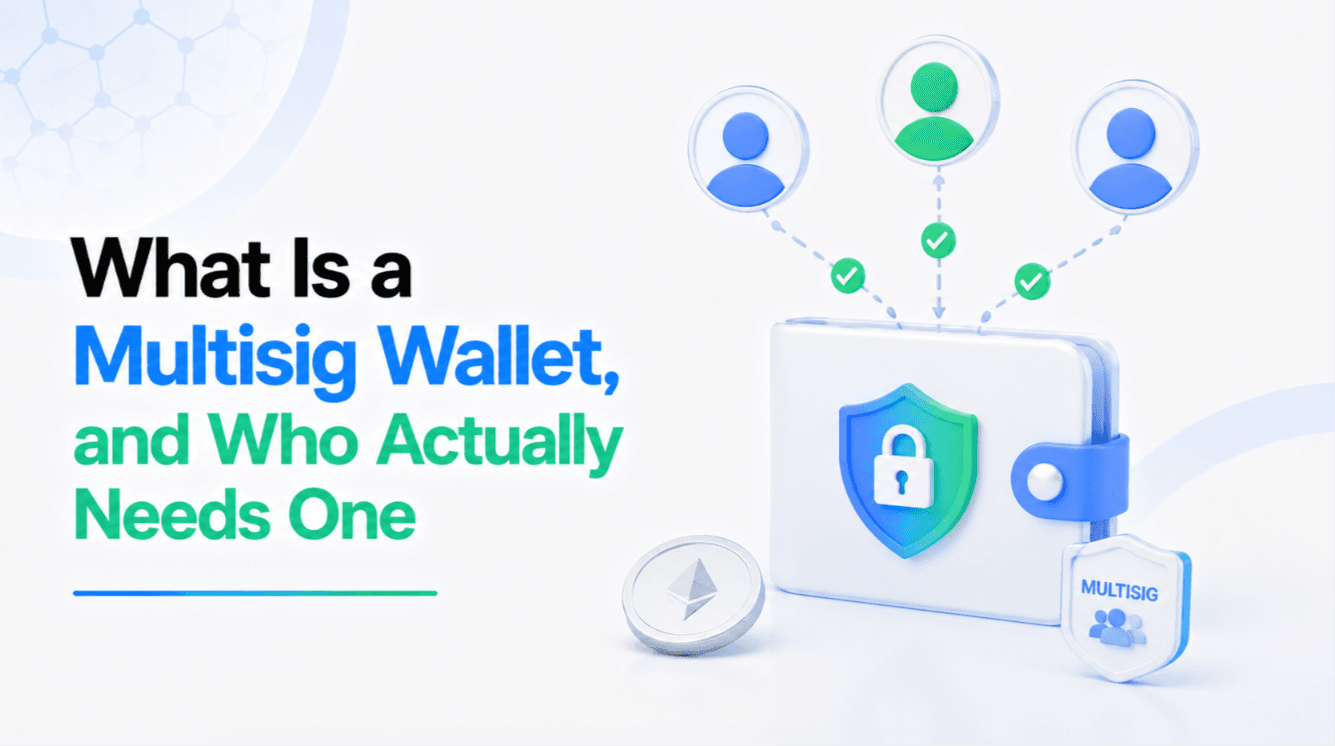
Requiring several signatures removes the single point of failure — and adds an operational burden most individuals do not need. Here is where the line sits.
Emily Carter · September 11, 2026→
Ethereum· 8 min
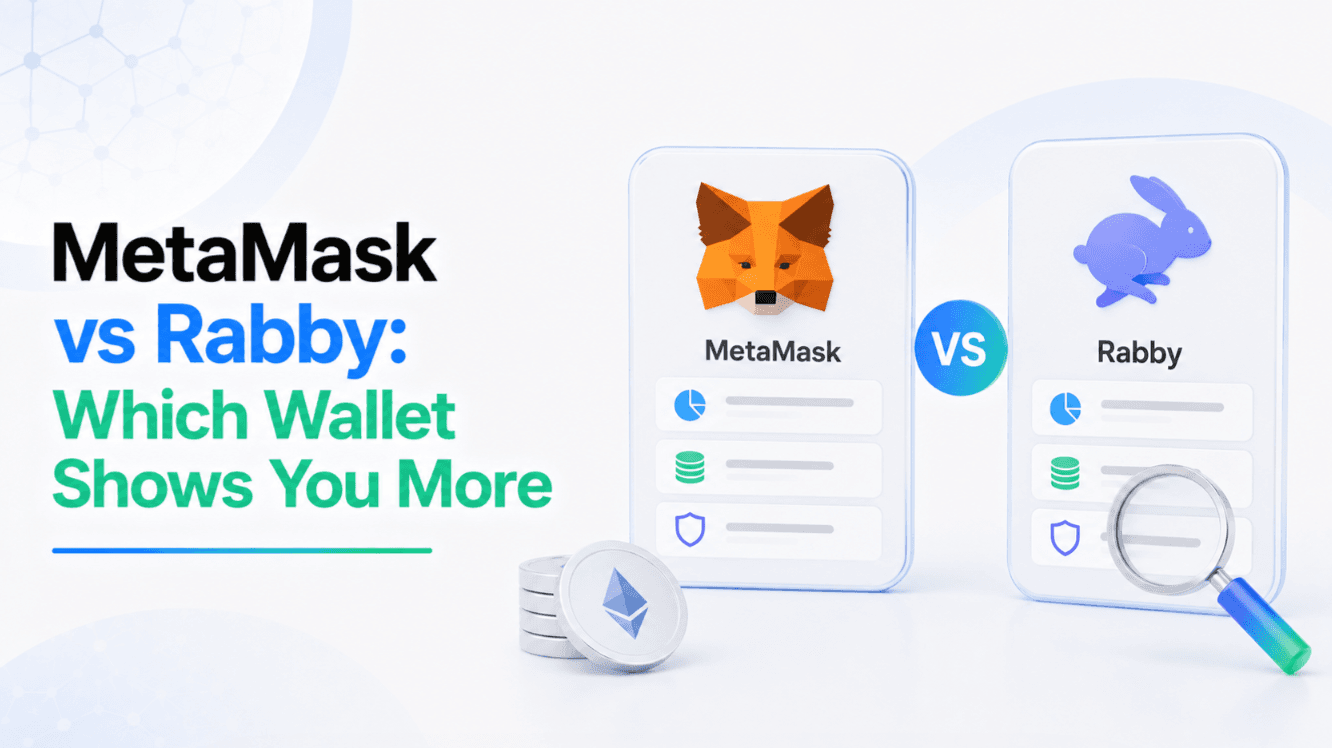
Both are free, both are non-custodial, and one of them tells you what a transaction will actually do before you sign it. That is the whole comparison.
David Turner · September 7, 2026→
Ethereum· 8 min
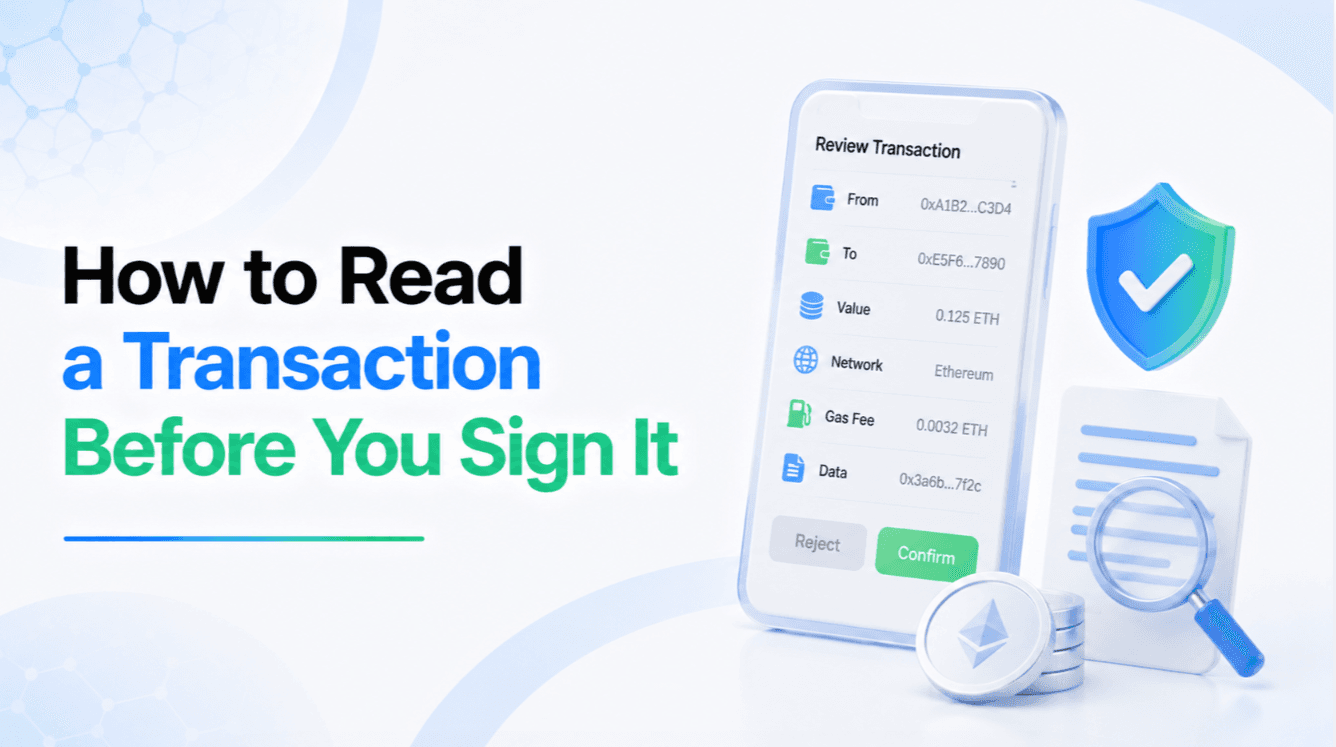
The signing prompt is the last moment anything can be stopped. Here is how to read one — and what the dangerous ones look like.
David Turner · September 5, 2026→
Ethereum· 9 min
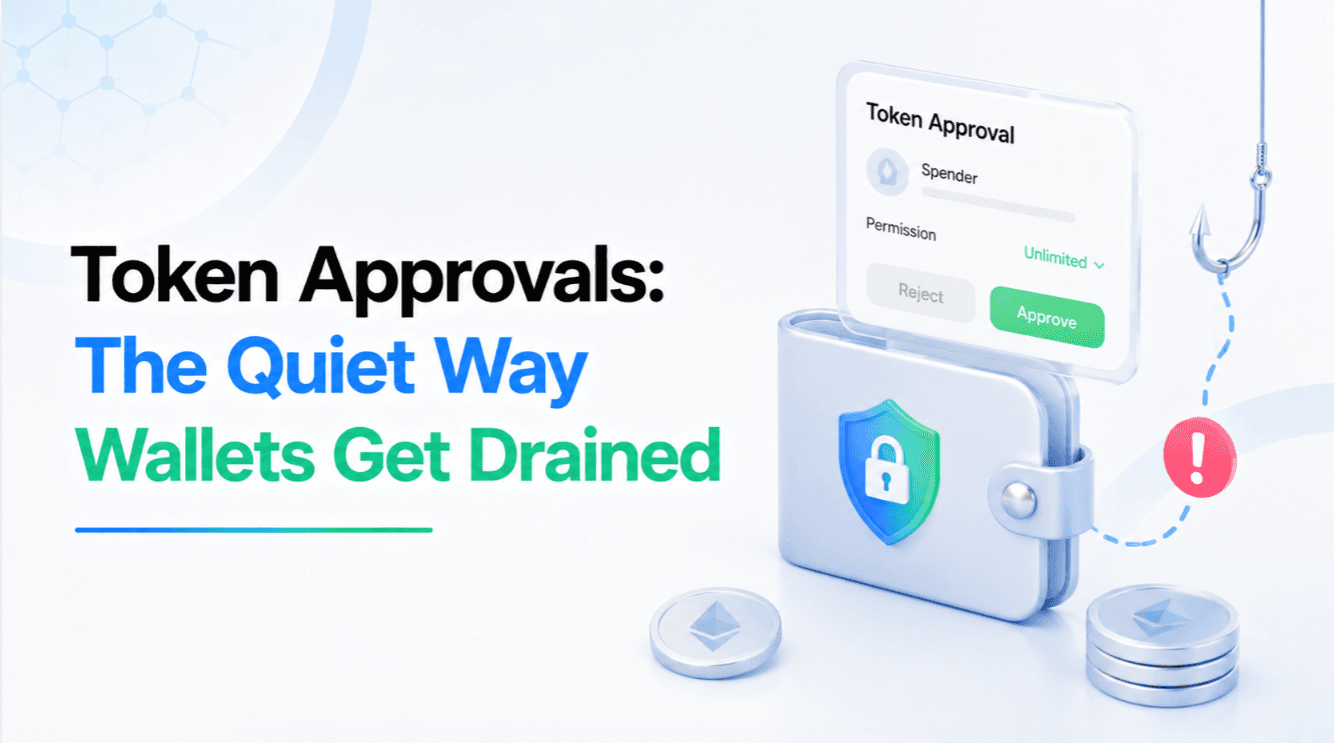
One signature, no gas, no obvious effect — and a contract can move your tokens whenever it likes, indefinitely. This is the mechanism behind most wallet drains.
Maria Fernandez · September 3, 2026→
Ethereum· 9 min
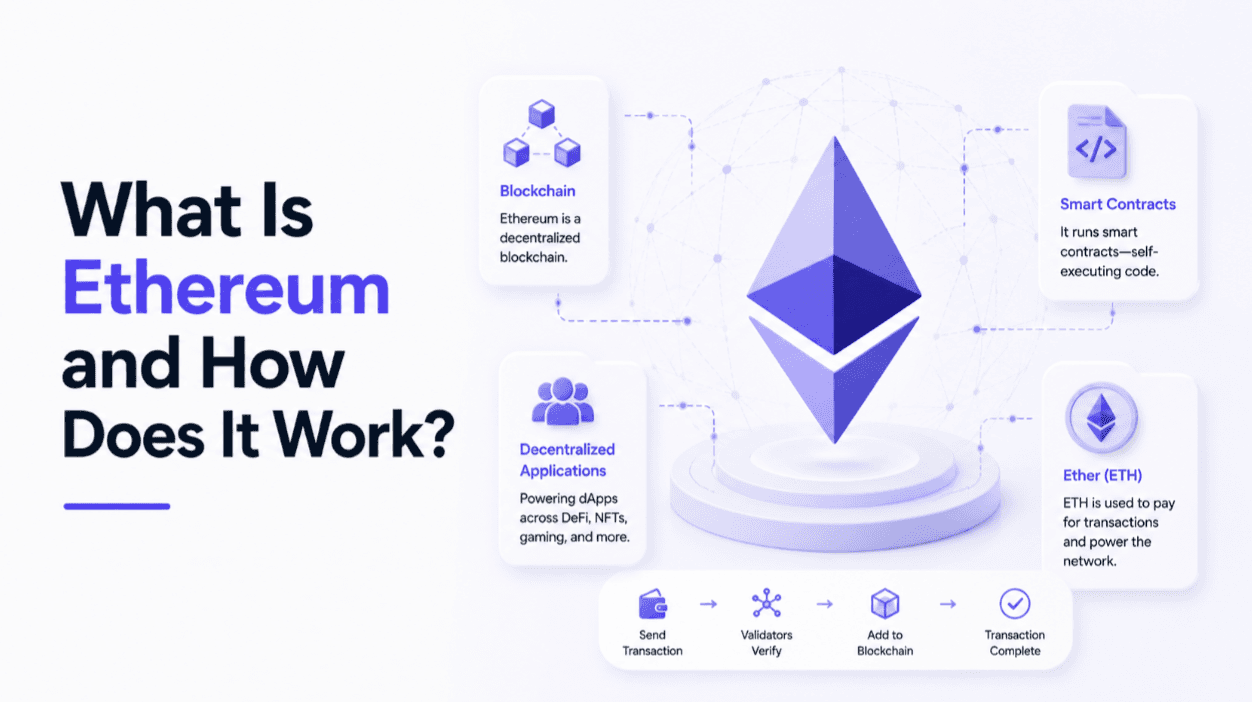
Ethereum is a programmable blockchain that runs applications no single party controls. Here is how the network, the EVM and ETH actually fit together.
David Turner · June 19, 2026→
Ethereum· 9 min
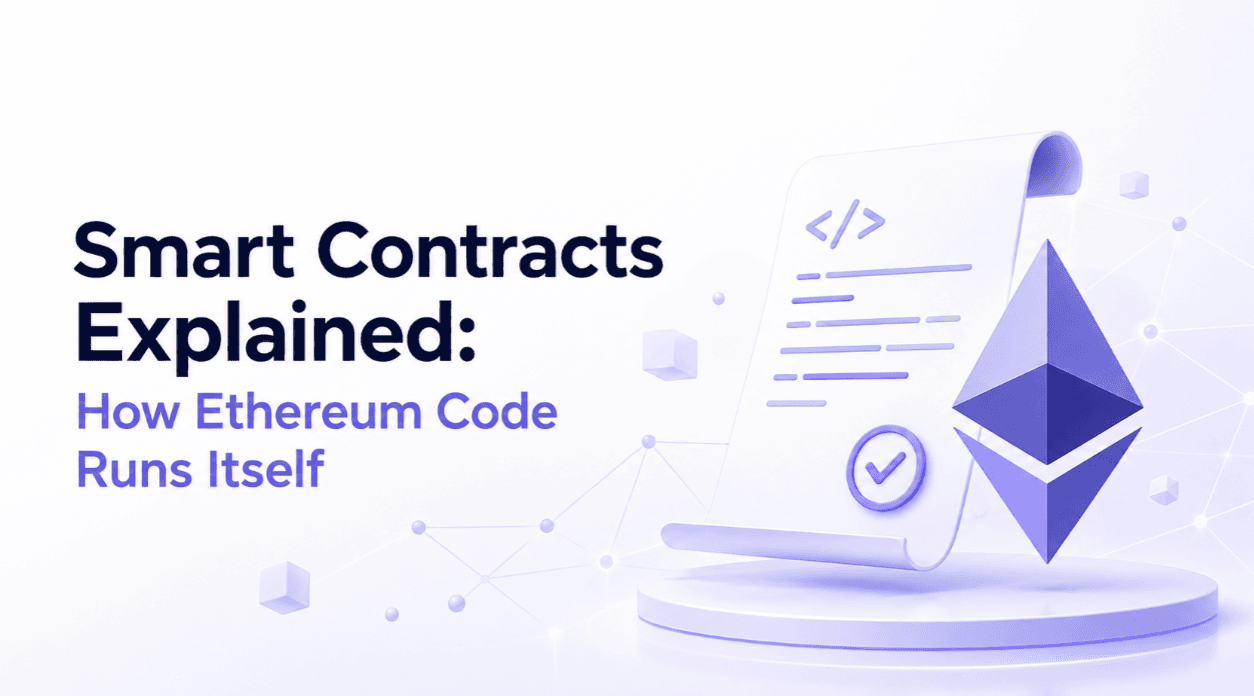
Smart contracts let agreements enforce themselves on a blockchain. Here is how they work, where they shine, and why audits still matter.
David Turner · June 4, 2026→
Ethereum· 9 min
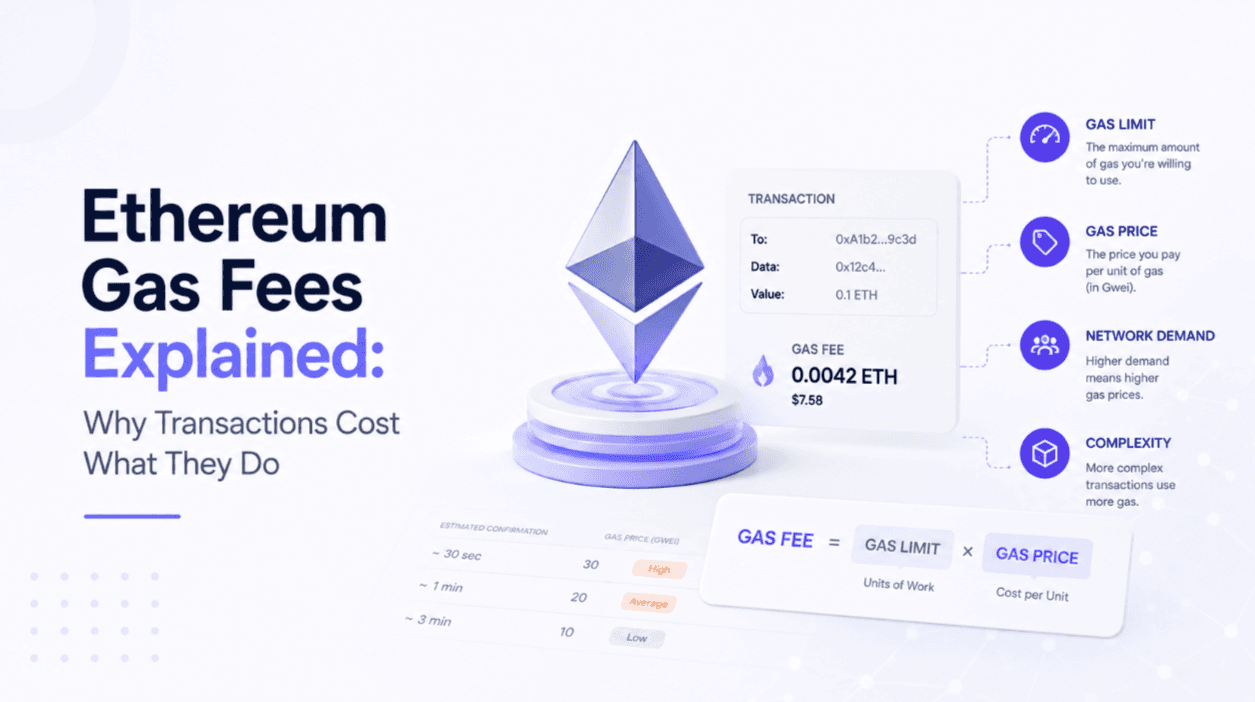
Gas is how Ethereum prices computation. Here is what you are really paying for, why fees swing so hard, and how to keep them down.
David Turner · May 25, 2026→
Ethereum· 10 min
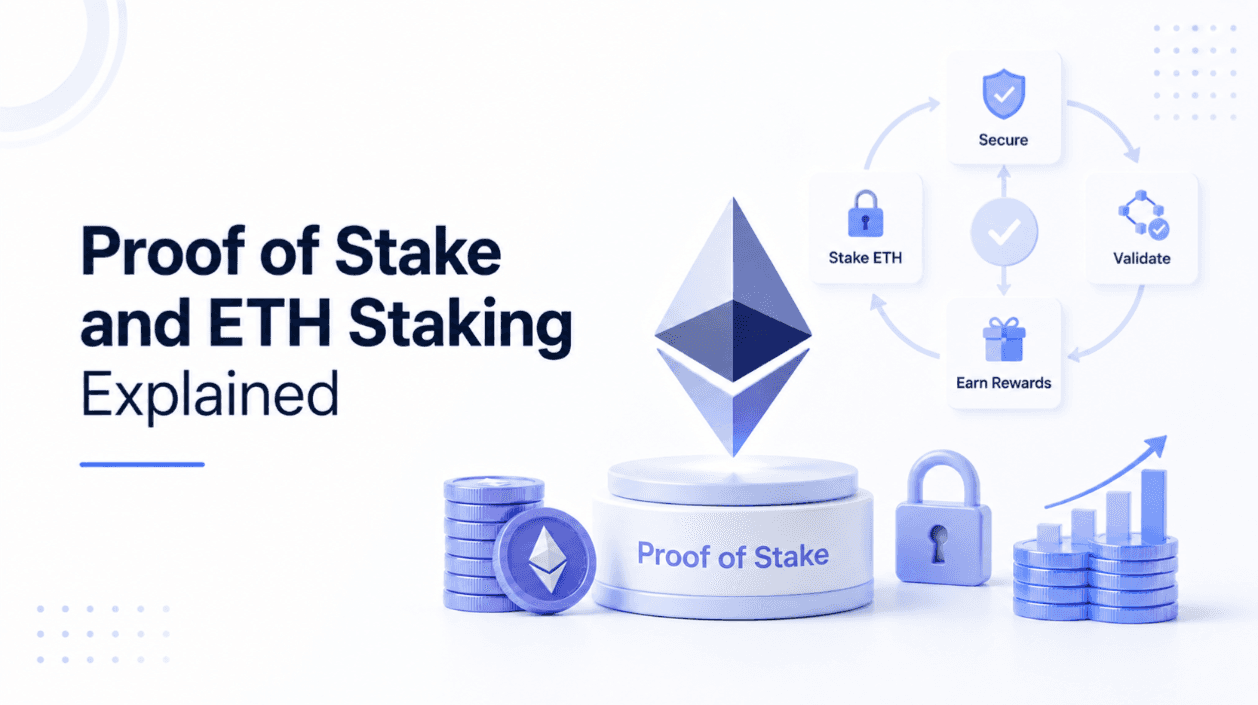
Ethereum secures itself with staked ETH instead of mining. Here is how validators, rewards and slashing work, and what staking really involves.
David Turner · May 16, 2026→
Ethereum· 10 min
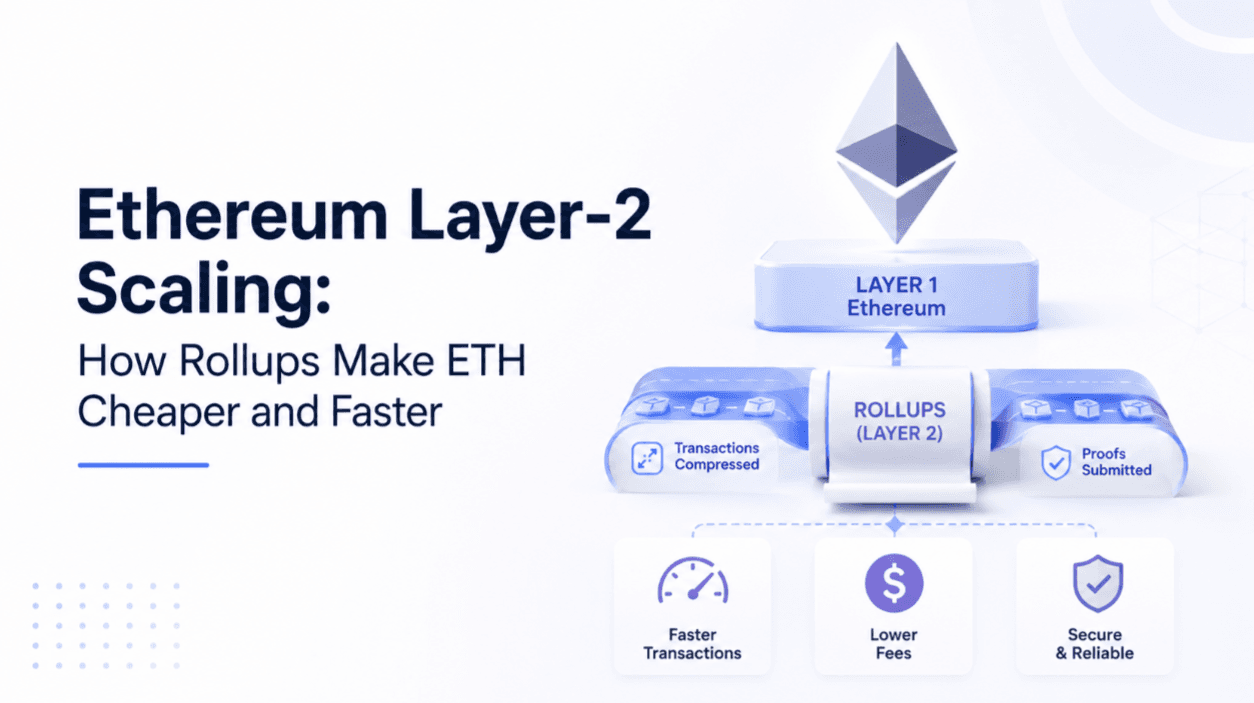
Rollups move execution off Ethereum’s base layer while keeping its security. Here is how optimistic and zk-rollups work and where they differ.
Maria Fernandez · May 3, 2026→