Regulation· 9 min
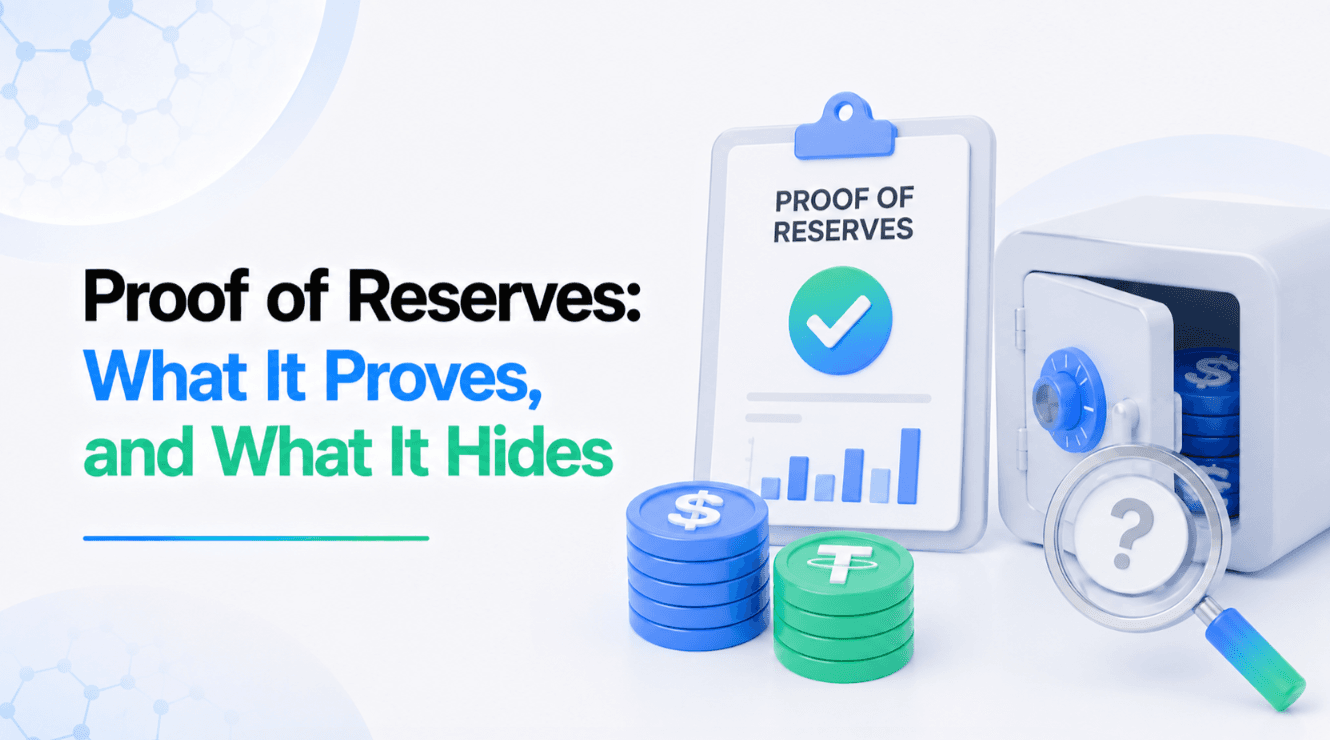
Every major exchange publishes one, and almost none of them prove solvency. Here is what a proof of reserves actually demonstrates — and the half it leaves out.
David Turner · September 15, 2026→
Regulation· 9 min
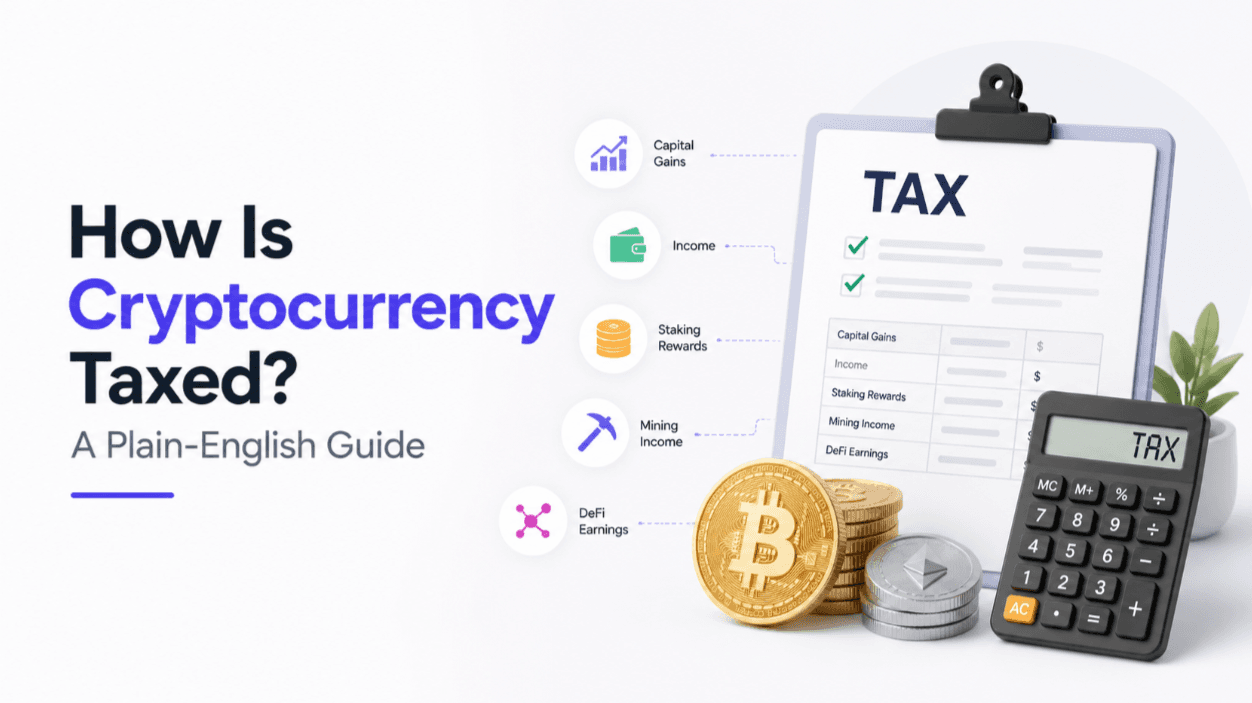
Most tax authorities treat crypto as property, so disposals trigger gains while certain rewards count as income. Here is how the pieces fit together.
Emily Carter · June 13, 2026→
Regulation· 10 min
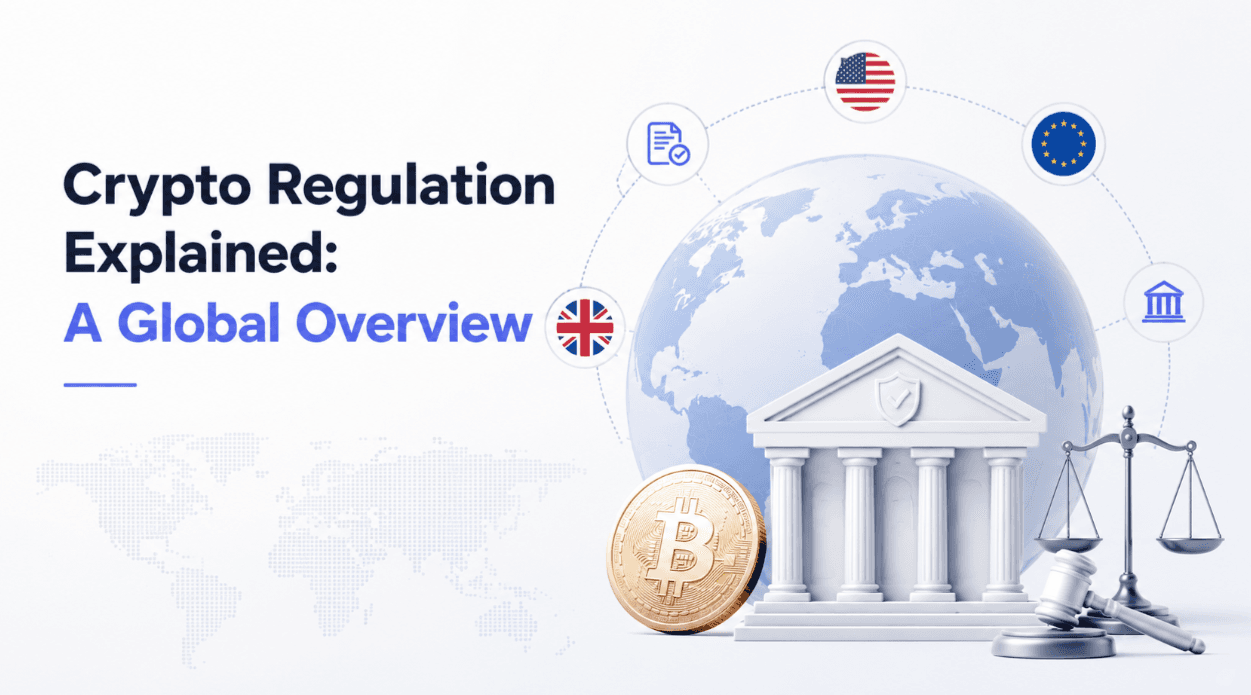
There is no single global rulebook for crypto. Instead, overlapping authorities apply securities, payments and anti-money-laundering law in ways that vary by country.
Emily Carter · June 2, 2026→
Regulation· 10 min
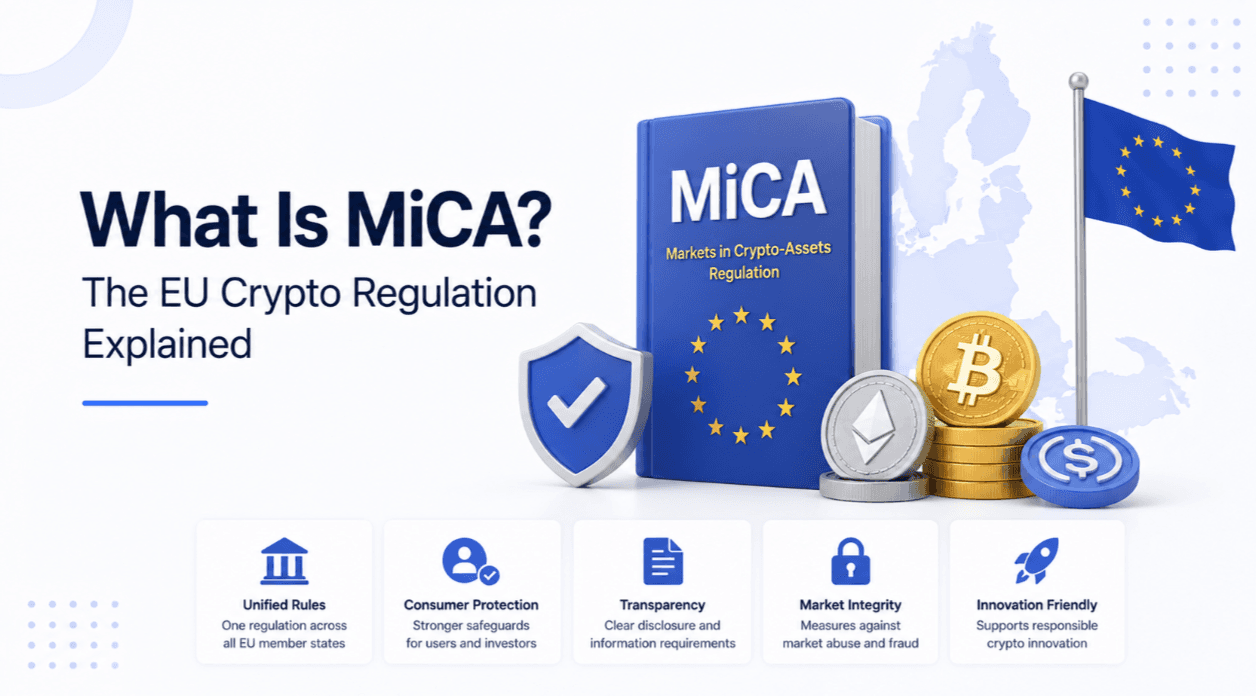
MiCA is the European Union's dedicated framework for crypto-assets, creating one set of rules across member states for issuers, stablecoins and service providers.
Emily Carter · May 23, 2026→
Regulation· 9 min
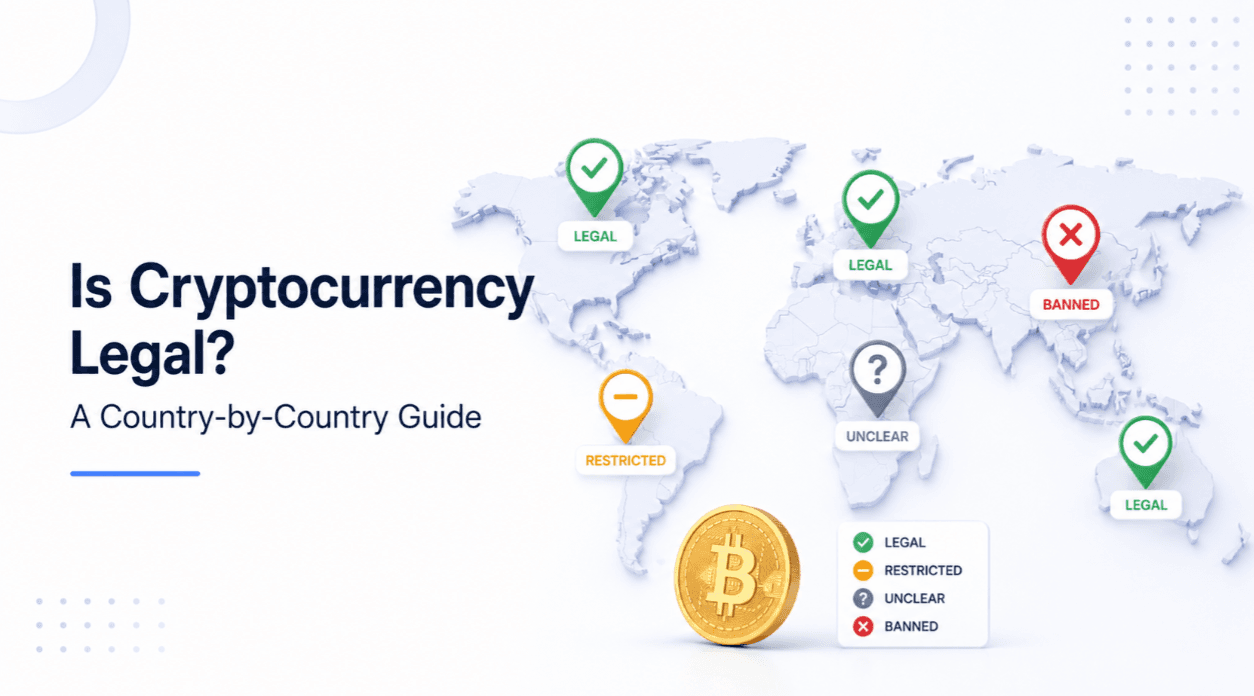
Cryptocurrency is legal to own and trade in most countries, restricted in some, and banned in a few. Status depends on local law and changes over time.
Maria Fernandez · May 9, 2026→
Regulation· 9 min
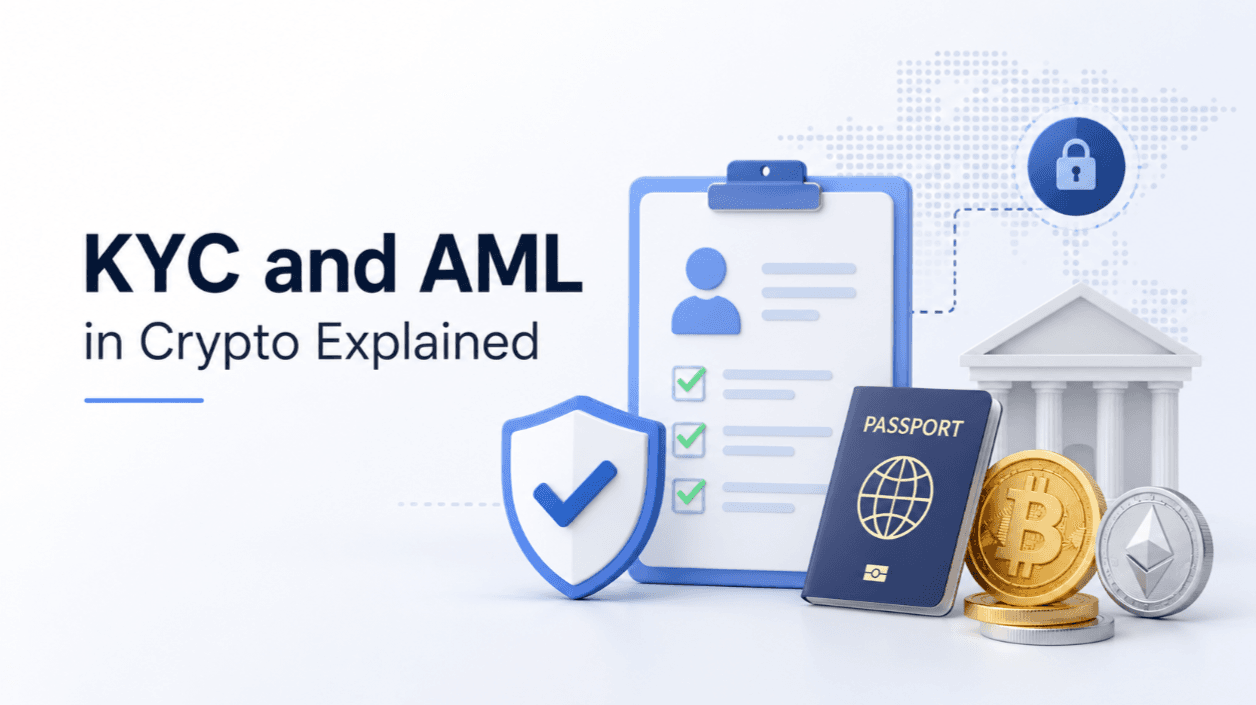
KYC verifies who you are; AML is the broader effort to stop illicit money moving through crypto. Together they shape how regulated platforms operate.
Emily Carter · April 27, 2026→