KYC and AML in Crypto Explained
By Emily Carter
Policy Correspondent · April 27, 2026 · 9 min read
Published April 27, 2026 · Reviewed to our editorial standards. This article is informational and not financial advice.
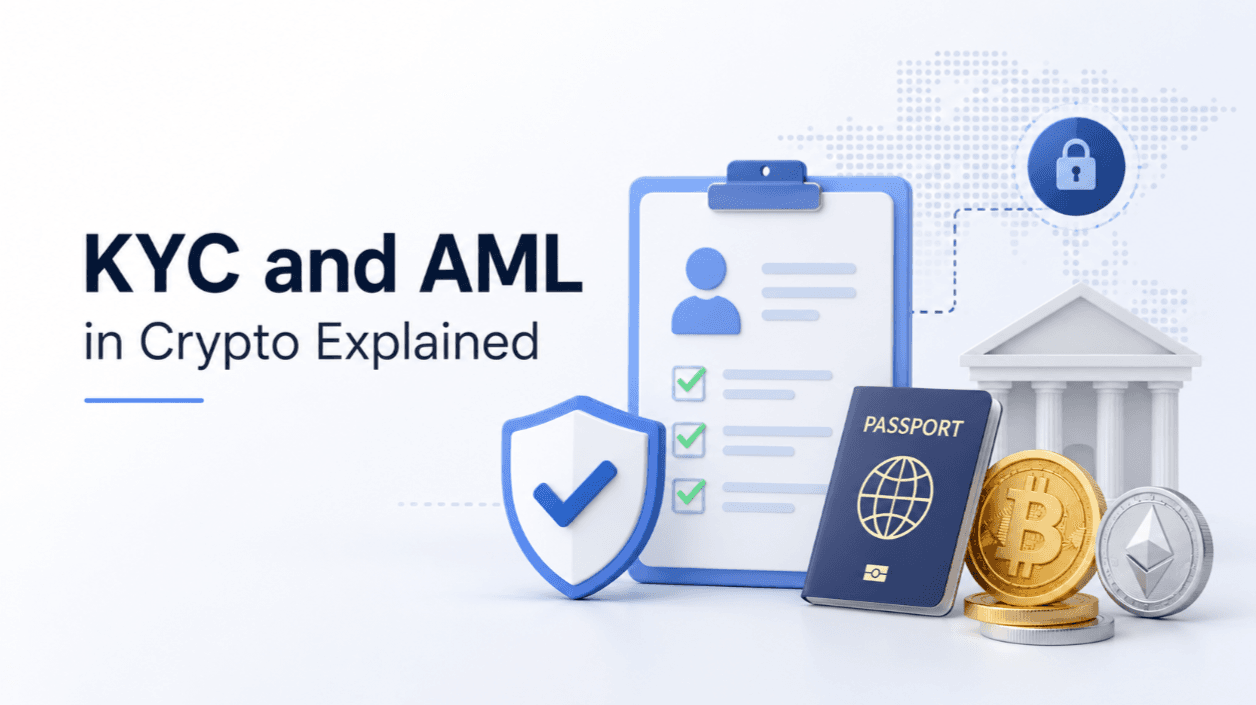
KYC, or Know Your Customer, is the process by which a crypto platform verifies a user's identity, while AML, or Anti-Money-Laundering, is the wider framework of rules and controls designed to stop illicit funds moving through the financial system. KYC is one tool within AML. Together they explain why regulated exchanges ask for identity documents and monitor activity, and the specifics vary by jurisdiction.
Key takeaways
- KYC verifies identity; AML is the broader anti-illicit-finance framework that contains it.
- Most regulated exchanges must collect identity documents before full access.
- Platforms monitor transactions and report suspicious activity to authorities.
- The Travel Rule requires sharing sender and recipient information on transfers.
- Requirements differ by country and apply mainly to centralised, regulated services.
What KYC actually involves
When you open an account on a regulated exchange, KYC is the onboarding step that confirms you are who you claim to be. It typically asks for identifying details and supporting evidence, and may include checks against sanctions and politically-exposed-person lists. The goal is to tie an account to a real, verified person before it can move significant value.
- Government-issued identification such as a passport or national ID.
- Proof of address, like a utility bill or bank statement.
- Sometimes a selfie or liveness check to match the document.
- Screening against sanctions and watchlists.
How AML goes beyond identity checks
AML is the umbrella that KYC sits under. Beyond verifying identity at sign-up, AML programmes require firms to monitor ongoing activity, assess the risk each customer poses, keep records, and file reports when something looks suspicious. Larger or higher-risk customers may face enhanced due diligence with deeper checks on their source of funds.
The aim is to make crypto rails less attractive for laundering proceeds of crime or financing illicit activity. Regulators expect firms to take a risk-based approach, devoting more scrutiny where the risk is greater rather than treating every customer identically.
In practice, this means a platform builds a profile of expected behaviour for each user and watches for activity that does not fit. A modest account that suddenly receives large transfers from many sources, or patterns that resemble known laundering techniques, can trigger a review. Most flags turn out to be benign, but the obligation to look, and to report genuine concerns to the authorities, sits firmly with the firm.
The stages money launderers exploit
AML thinking is often framed around three stages that illicit funds move through. Understanding them clarifies why monitoring matters as much as identity checks at the door.
- Placement, where illicit funds first enter the financial system.
- Layering, where the trail is obscured through many transactions or conversions.
- Integration, where the funds re-emerge looking like legitimate wealth.
Crypto can feature at any of these stages, which is why authorities care about more than a single check at onboarding. Blockchain analytics has, in fact, become a double-edged feature: public ledgers can make tracing easier than with cash, even as some tools try to obscure the trail.
Why regulators apply these rules to crypto
Financial institutions have followed AML rules for decades, and as crypto matured, authorities extended similar expectations to crypto-asset businesses. The reasoning is that any system capable of moving value at scale can be misused, so the same safeguards used in traditional finance should apply where comparable risks exist.
The shift that surprised many early users was simple: as crypto businesses became regulated financial firms, they inherited the same identity and monitoring duties as banks. — CryptoCoinBeat analysis
The Travel Rule
One of the most consequential AML measures for crypto is the Travel Rule. It requires service providers to collect and share certain information about the originator and beneficiary when transfers cross between regulated firms above a threshold. The idea mirrors a long-standing rule for traditional wire transfers, so that information travels alongside the value.
Implementing this in crypto is technically harder than in banking, and approaches differ across jurisdictions and providers. Even so, the Travel Rule has spread widely and is now a standard part of the compliance landscape for regulated platforms.
What this means for everyday users
For most people, KYC and AML mean some friction at sign-up and the possibility of extra checks on larger or unusual transactions. Accounts can be limited or paused while a platform completes verification or reviews flagged activity. None of this implies wrongdoing; it reflects obligations the platform itself must meet.
- Expect to verify your identity before full trading or withdrawal access.
- Keep your details current, since outdated information can trigger reviews.
- Be ready to explain the source of funds for large transfers.
- Understand that self-hosted wallets and many decentralised tools work differently.
Privacy concerns and the balance regulators strike
Identity collection and monitoring sit in tension with the privacy that drew many people to crypto in the first place. Centralising sensitive documents creates a target for data breaches, and broad surveillance worries those who value financial privacy. Regulators counter that some verification is the cost of keeping markets free of laundering and sanctions evasion, and the debate over where to draw that line is unlikely to settle soon.
A reasonable middle ground, often urged by privacy advocates, is data minimisation: collecting only what a rule genuinely requires, securing it well, and not retaining it longer than necessary. How closely firms follow that principle varies, so it is worth considering what a platform asks for and how it says it will protect the answer.
Where the rules apply and where they blur
These obligations bite hardest on centralised, regulated intermediaries that hold customer funds. Peer-to-peer activity and self-custody fall outside much of this directly, though regulators are increasingly examining how far AML expectations should reach into decentralised services. The boundary remains an active and contested area of policy.
This unsettled edge is where much of the current debate sits. Some argue that software developers and decentralised front-ends should not carry bank-like duties; others contend that any service offering an on-ramp or off-ramp to ordinary money is a natural place to apply controls. How this resolves will shape which crypto services remain widely accessible and on what terms.
How to make verification go smoothly
Most verification problems come from mismatched or low-quality information rather than anything sinister. A little preparation tends to prevent the delays and account holds that frustrate users, especially around larger transactions where extra checks are more likely.
- Use a clear, in-date identity document that matches the name on your account.
- Make sure your address details line up with the proof you submit.
- Complete any liveness or selfie step in good lighting to avoid retries.
- Keep records that explain the origin of large deposits if asked.
- Choose platforms that are transparent about what data they collect and why.
This article is educational only and is not legal or compliance advice. KYC and AML requirements differ by jurisdiction and change over time. For obligations that apply to a specific business or situation, consult a qualified compliance or legal professional.
Frequently asked questions
What is the difference between KYC and AML?+
KYC, or Know Your Customer, is the process of verifying a user's identity, usually at sign-up. AML, or Anti-Money-Laundering, is the broader framework of rules and controls designed to prevent illicit funds moving through the financial system. KYC is one component within an overall AML programme.
Why do crypto exchanges ask for identity documents?+
Regulated exchanges are generally required to verify who their customers are before granting full access. Collecting identity documents helps them meet anti-money-laundering obligations, screen against sanctions lists, and tie accounts to real people. The exact requirements depend on the jurisdiction in which the platform operates and the customer resides.
What is the Travel Rule in crypto?+
The Travel Rule requires crypto service providers to collect and share certain information about the sender and recipient when transfers above a threshold pass between regulated firms. It mirrors a long-standing rule for bank wire transfers, ensuring identifying information travels alongside the value being moved across providers.
Do KYC and AML rules apply to self-custody wallets?+
These obligations apply most directly to centralised, regulated intermediaries that hold customer funds. Self-custody and peer-to-peer activity fall outside much of the framework directly, though regulators increasingly examine how far anti-money-laundering expectations should extend into decentralised services. That boundary remains an active and unsettled policy question.
Written by
Emily CarterFormer regulatory analyst · J.D.
Emily Carter is a legal and regulatory writer specializing in cryptocurrency, blockchain policy, and digital asset compliance. Before joining CRYPTO·COINBEAT, she worked as a regulatory analyst in the United States, tracking developments in federal financial legislation, anti-money laundering (AML) requirements, and emerging policies shaping the digital asset industry. She earned her Juris Doctor (J.D.) degree and combines legal expertise with a talent for translating complex regulatory topics into clear, accessible language. Her work focuses on cryptocurrency taxation, DeFi regulation, exchange compliance, stablecoins, and the evolving role of U.S. agencies in overseeing digital assets. At CRYPTO·COINBEAT, Emily writes educational guides and policy explainers designed for both newcomers and experienced crypto users. She is committed to helping readers understand how regulatory changes affect investors, businesses, and the broader blockchain ecosystem.
Keep Reading
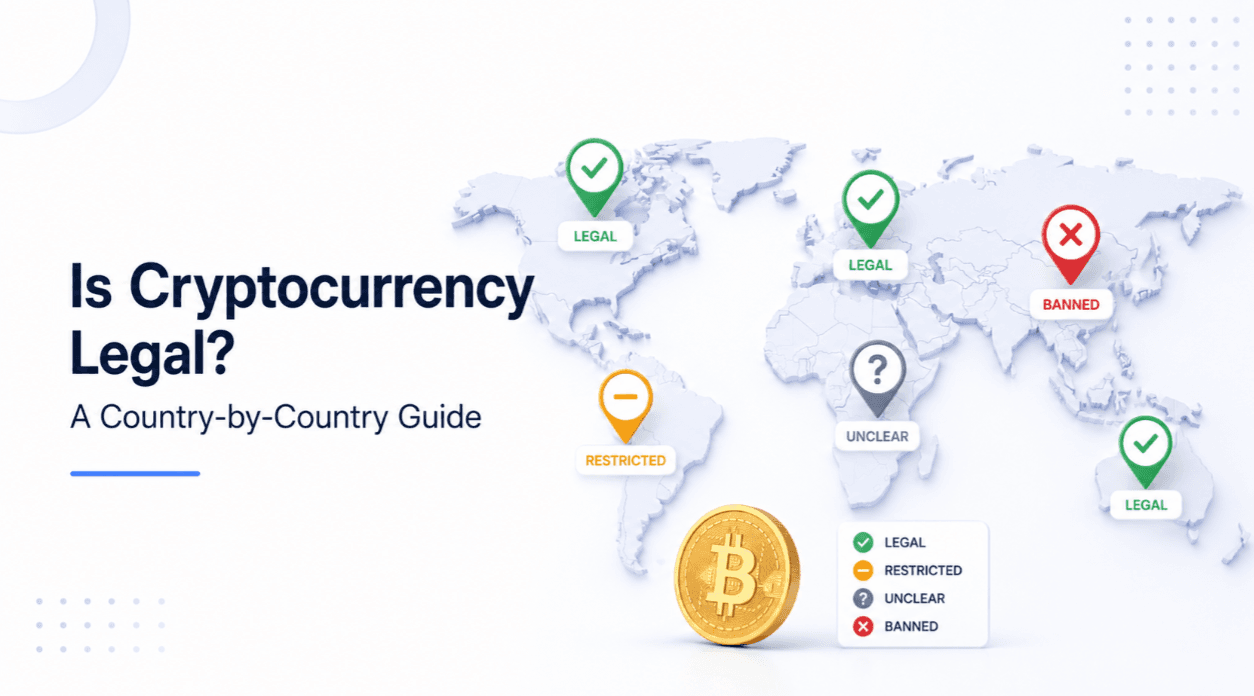
Is Cryptocurrency Legal? A Country-by-Country Guide
Cryptocurrency is legal to own and trade in most countries, restricted in some, and banned in a few. Status depends on local law and changes over time.
Maria Fernandez · May 9, 2026→
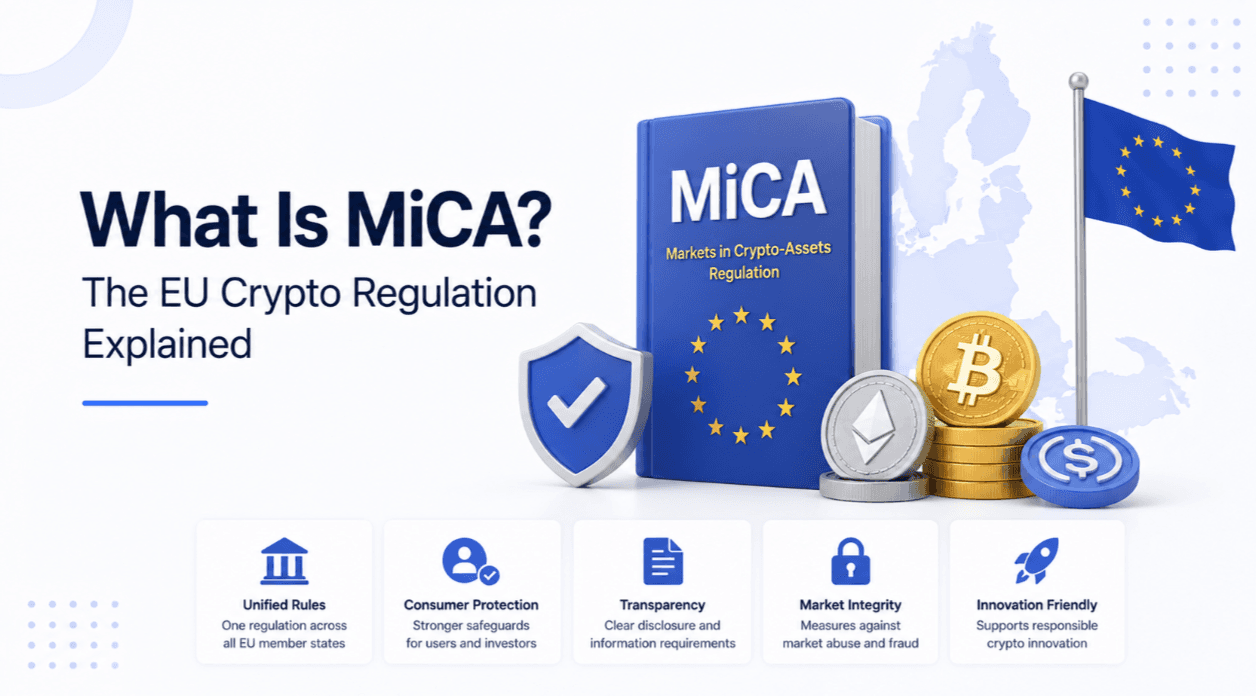
What Is MiCA? The EU Crypto Regulation Explained
MiCA is the European Union's dedicated framework for crypto-assets, creating one set of rules across member states for issuers, stablecoins and service providers.
Emily Carter · May 23, 2026→

Crypto Regulation Explained: A Global Overview
There is no single global rulebook for crypto. Instead, overlapping authorities apply securities, payments and anti-money-laundering law in ways that vary by country.
Emily Carter · June 2, 2026→