Markets· 9 min
How to Choose a Crypto Exchange: A Ten-Point Checklist
Fees are the least important thing on this list. Here are the ten checks that decide whether an exchange is a reasonable place to keep money.
Emily Carter · September 17, 2026→
Journalism for the digital-asset economy
Journalism
The reporting and argument behind the headlines — at the pace it deserves.
The two highest-scoring venues in our table, separated by an audited balance sheet on one side and a bank charter on the other — and a large, avoidable fee gap.
David Turner · 8 min read
Fees are the least important thing on this list. Here are the ten checks that decide whether an exchange is a reasonable place to keep money.
Emily Carter · September 17, 2026→
Every major exchange publishes one, and almost none of them prove solvency. Here is what a proof of reserves actually demonstrates — and the half it leaves out.
David Turner · September 15, 2026→
Not all second factors are equal, and the most common one is the weakest. Here is what to use on exchange accounts, and what to do about recovery codes.
Maria Fernandez · September 13, 2026→
Requiring several signatures removes the single point of failure — and adds an operational burden most individuals do not need. Here is where the line sits.
Emily Carter · September 11, 2026→

Scams change costume constantly and the underlying patterns barely change at all. Learn the nine and you will recognise the tenth on sight.
Maria Fernandez · September 9, 2026→
Both are free, both are non-custodial, and one of them tells you what a transaction will actually do before you sign it. That is the whole comparison.
David Turner · September 7, 2026→
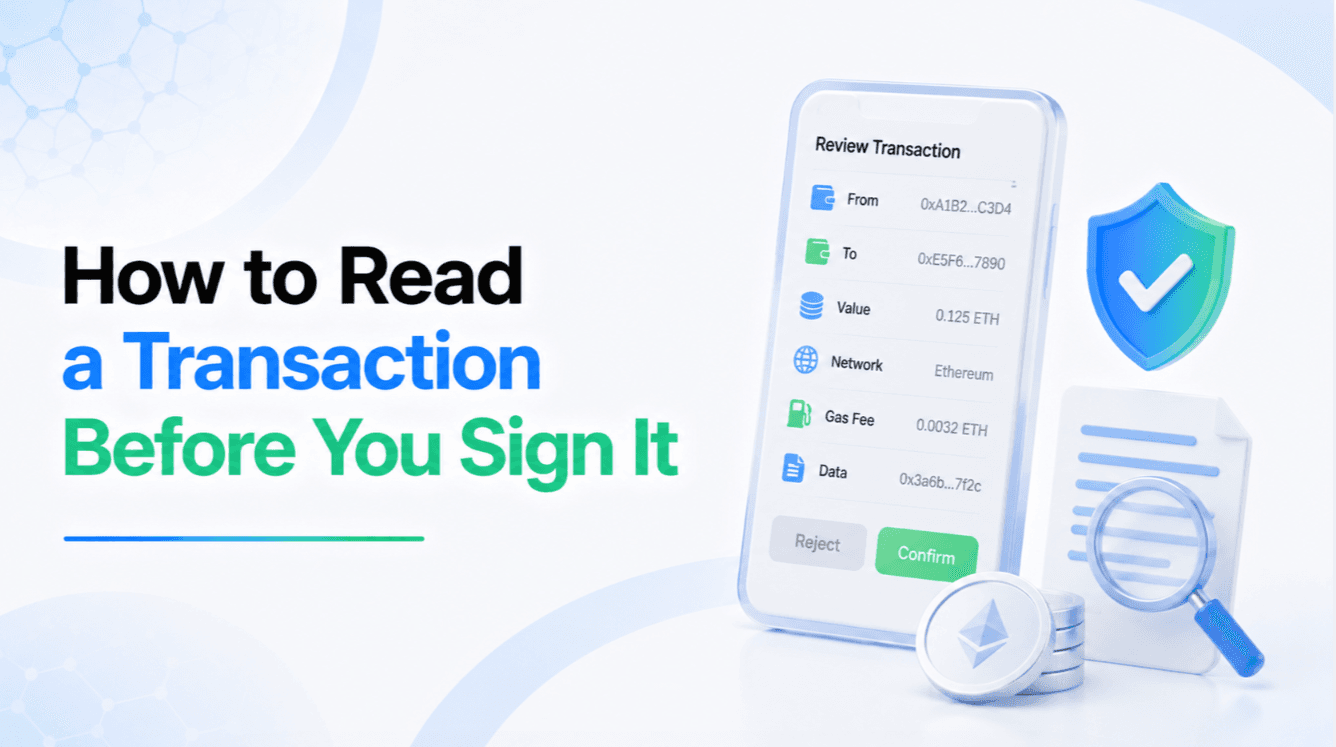
The signing prompt is the last moment anything can be stopped. Here is how to read one — and what the dangerous ones look like.
David Turner · September 5, 2026→
One signature, no gas, no obvious effect — and a contract can move your tokens whenever it likes, indefinitely. This is the mechanism behind most wallet drains.
Maria Fernandez · September 3, 2026→

The convincing fake does not look suspicious — it looks exactly like the thing you were searching for. These are the checks that catch it before you connect a wallet.
David Turner · September 1, 2026→
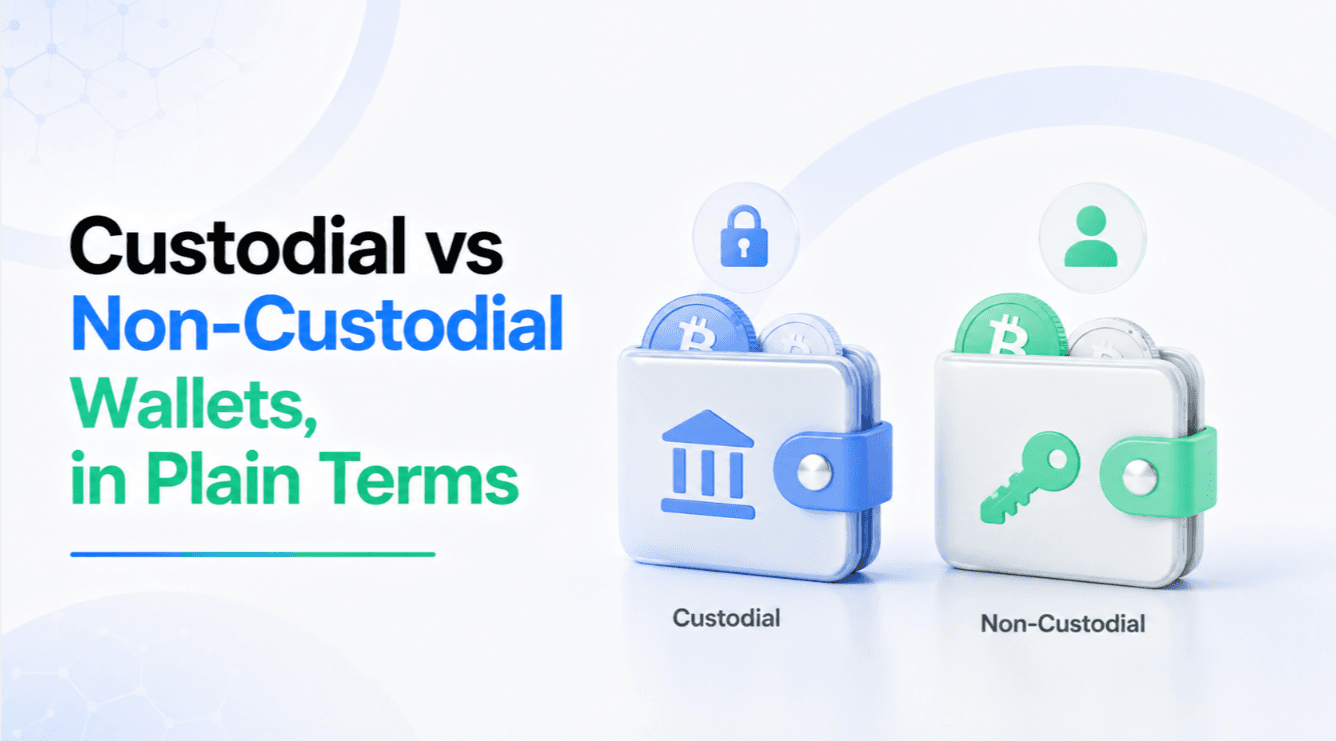
One word decides whether you own crypto or own a claim on a company that owes you crypto. Here is what separates the two, without the slogans.
David Turner · August 30, 2026→
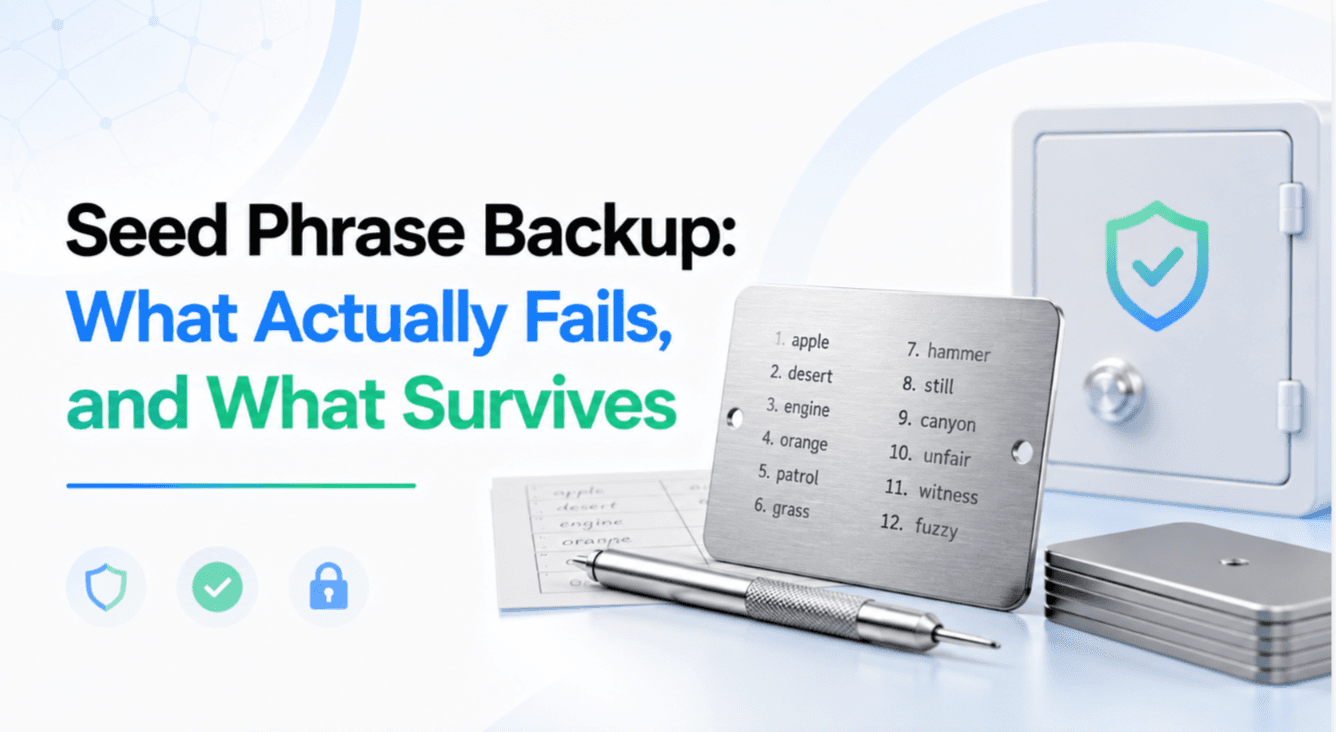
More coins are lost to bad backups than to hackers. Here is every way a seed phrase fails in practice, and what each failure teaches about storing one properly.
CryptoCoinBeat · August 28, 2026→
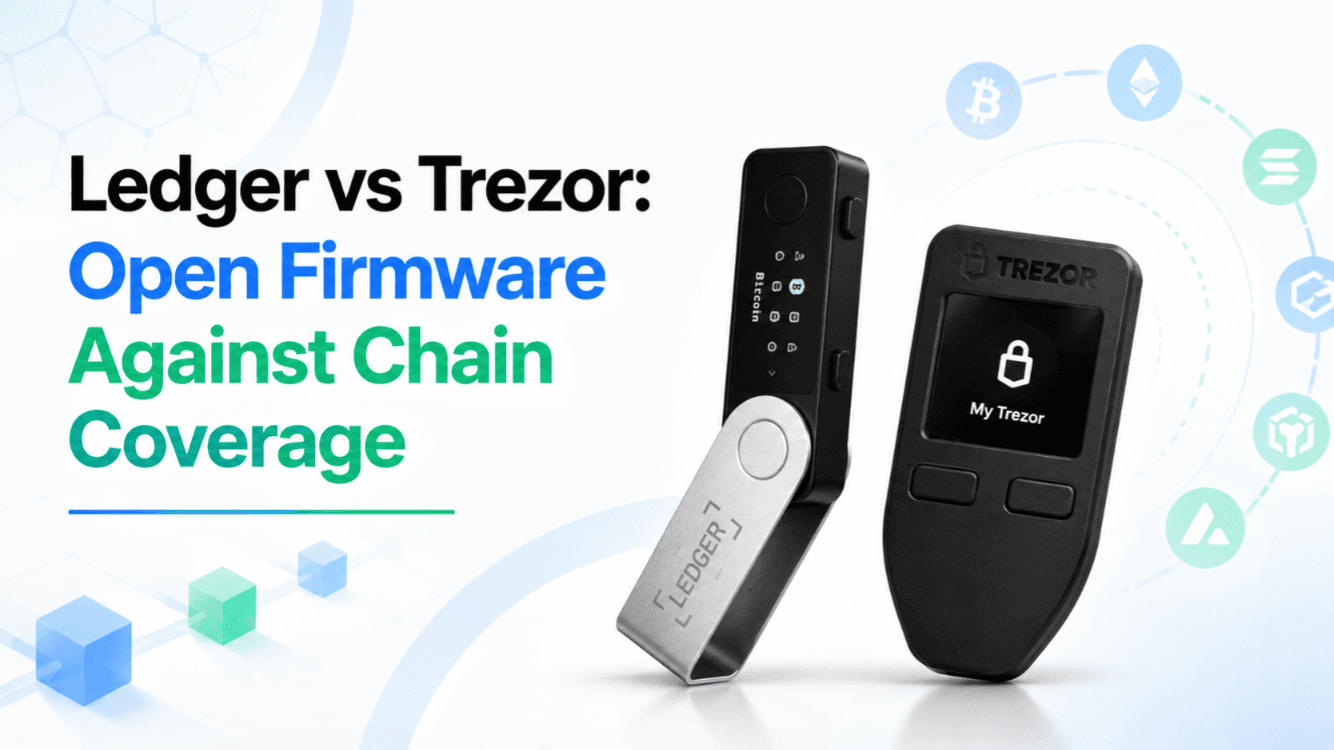
Two devices, one real disagreement: whether you can inspect the code holding your keys. Here is what separates them, and which one suits which holder.
CryptoCoinBeat · August 26, 2026→
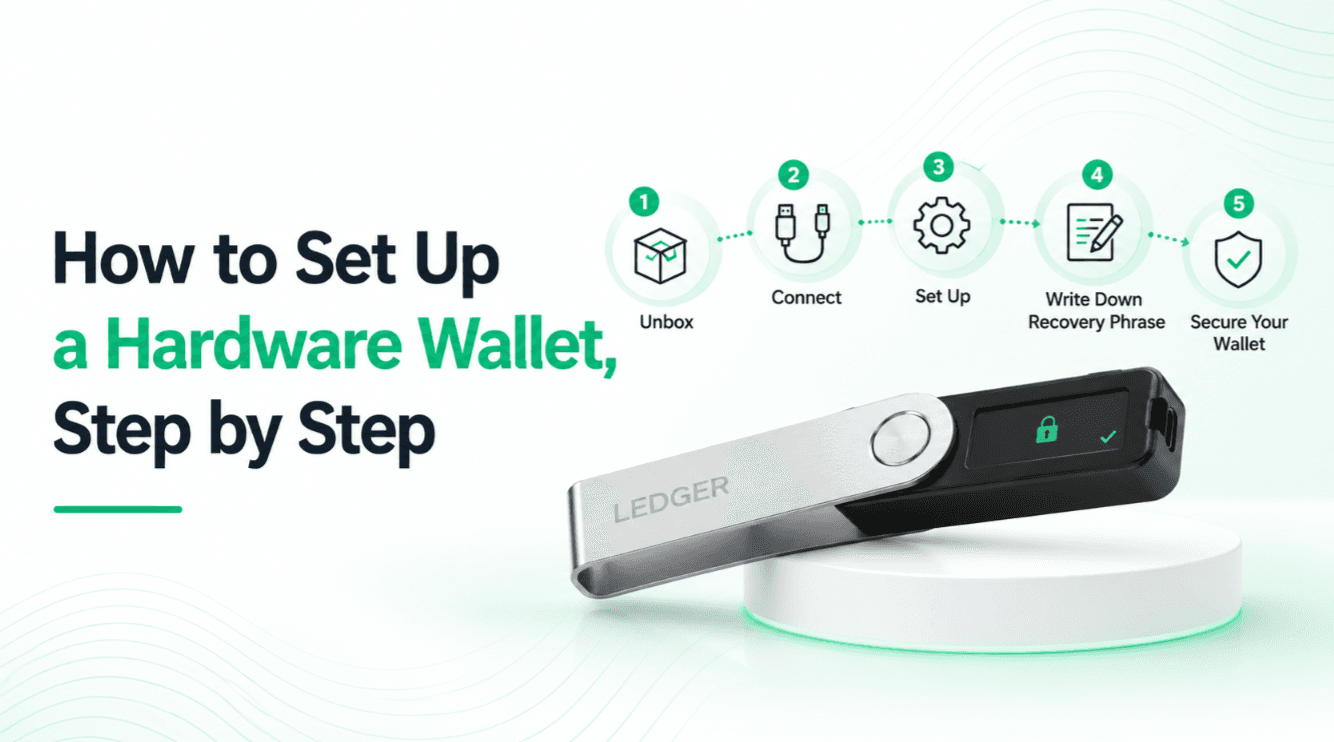
The setup takes twenty minutes and decides whether the device protects anything. Here is the order that matters, including the recovery test almost everybody skips.
CryptoCoinBeat · August 24, 2026→
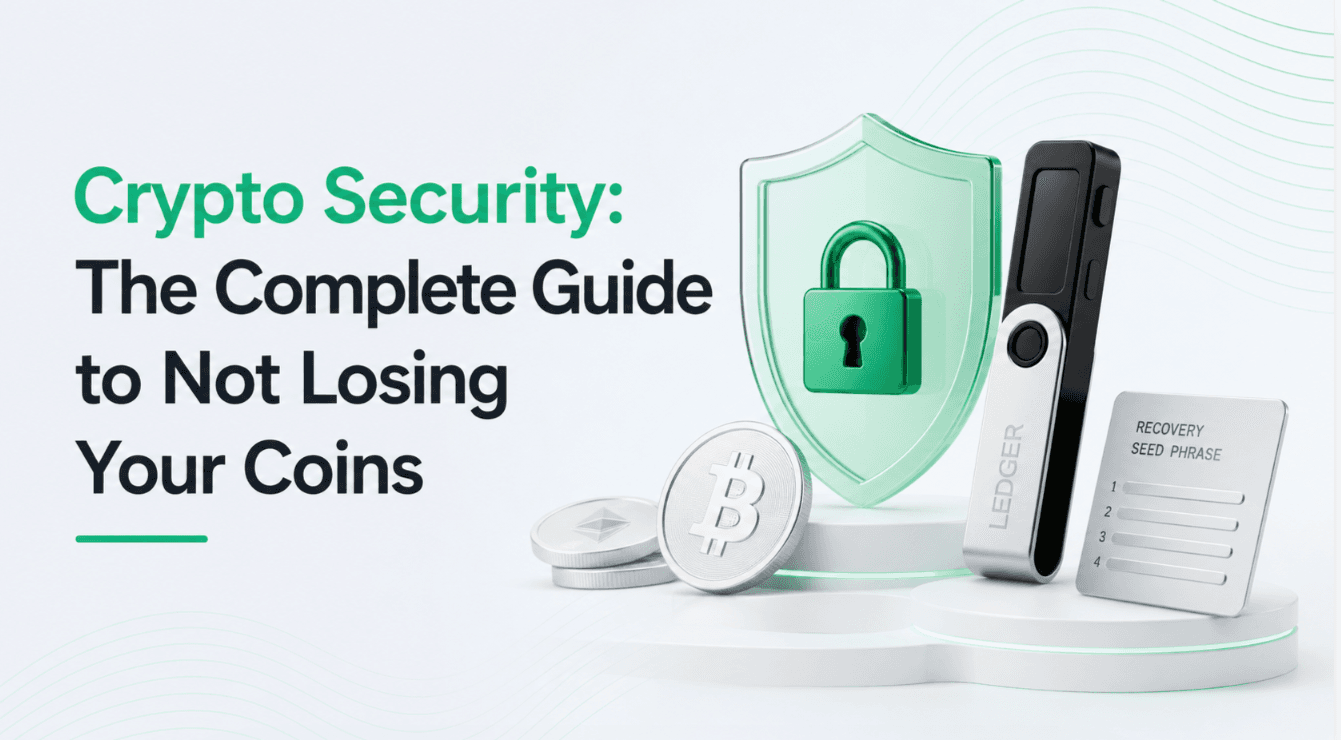
Almost nobody loses crypto to broken cryptography. They lose it to a signature they did not understand, a backup they never made, or a company they trusted. Here is the defence, in the order it matters.
CryptoCoinBeat · August 22, 2026→
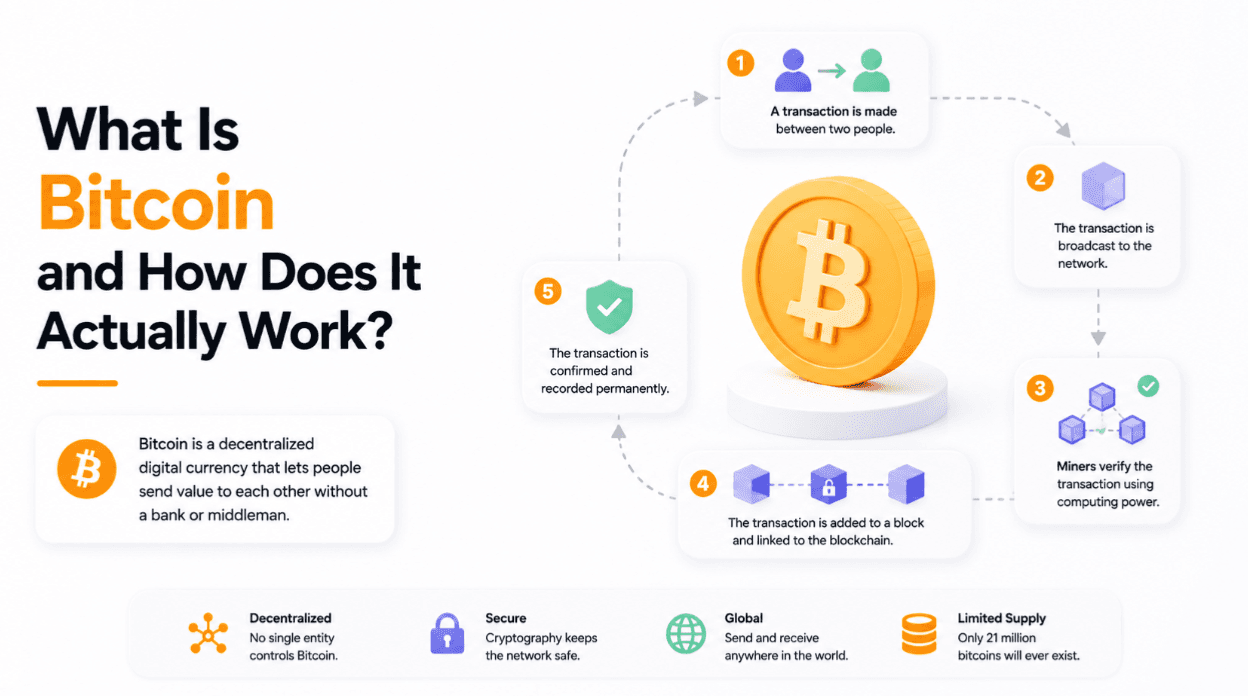
Bitcoin is a decentralized digital currency secured by a public ledger. Here is how the network, supply cap, and ownership model fit together.
Maria Fernandez · June 21, 2026→
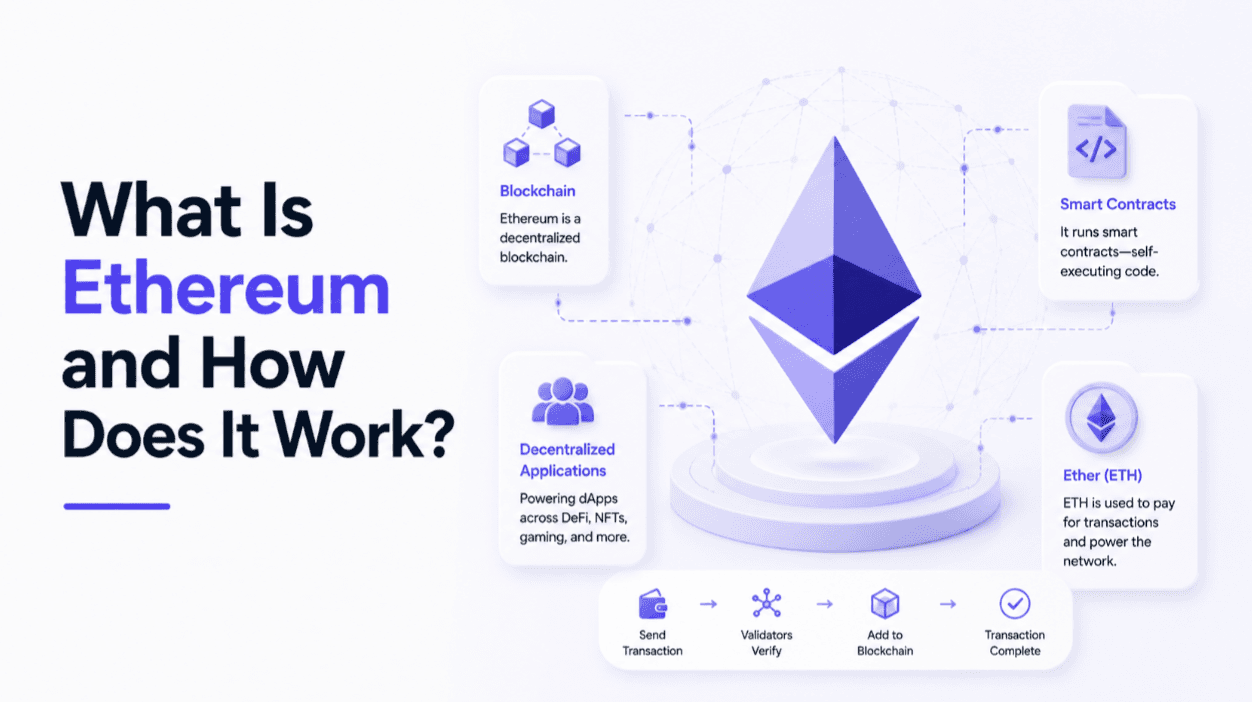
Ethereum is a programmable blockchain that runs applications no single party controls. Here is how the network, the EVM and ETH actually fit together.
David Turner · June 19, 2026→
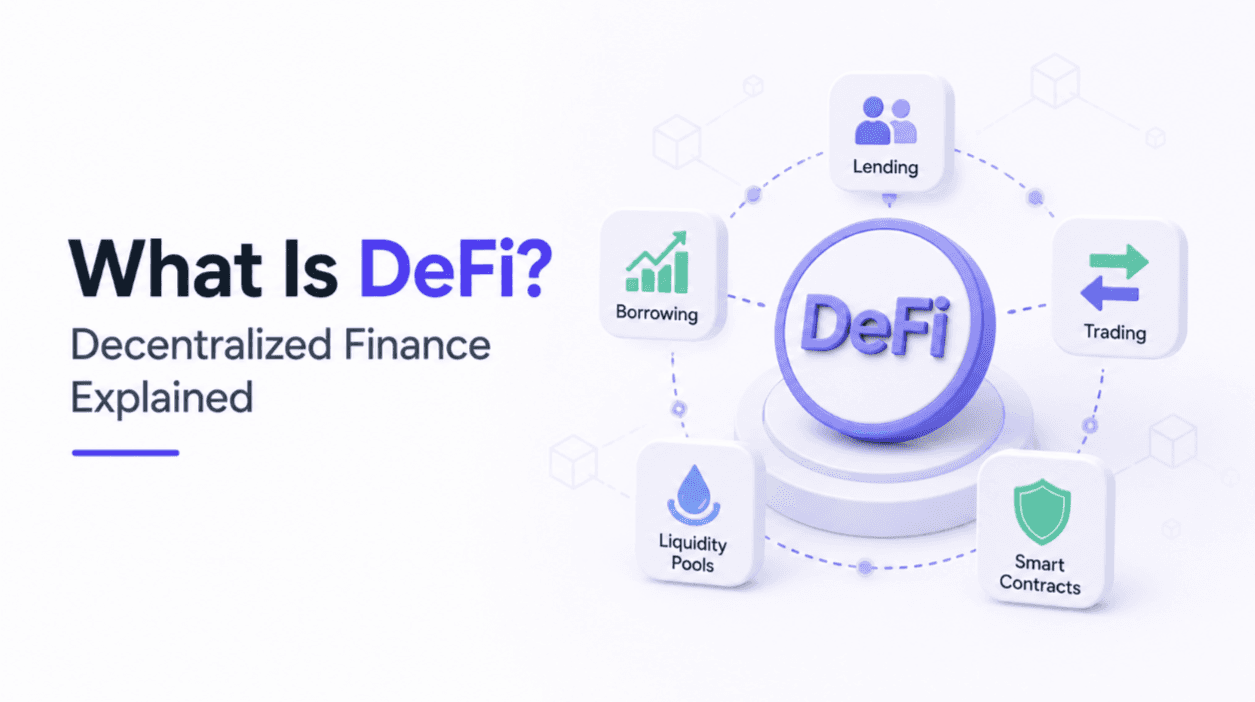
Decentralized finance rebuilds lending, trading, and saving as open code on public blockchains. Here is how it works, what it lets you do, and where it can go wrong.
David Turner · June 16, 2026→
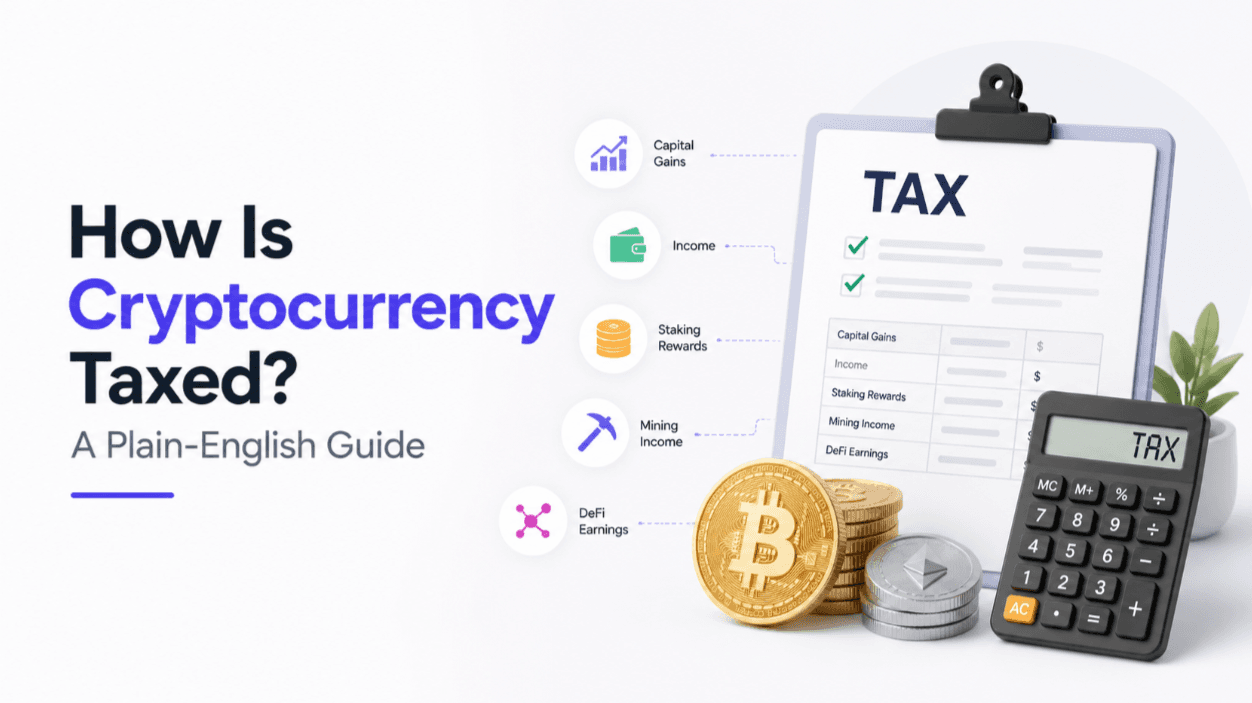
Most tax authorities treat crypto as property, so disposals trigger gains while certain rewards count as income. Here is how the pieces fit together.
Emily Carter · June 13, 2026→
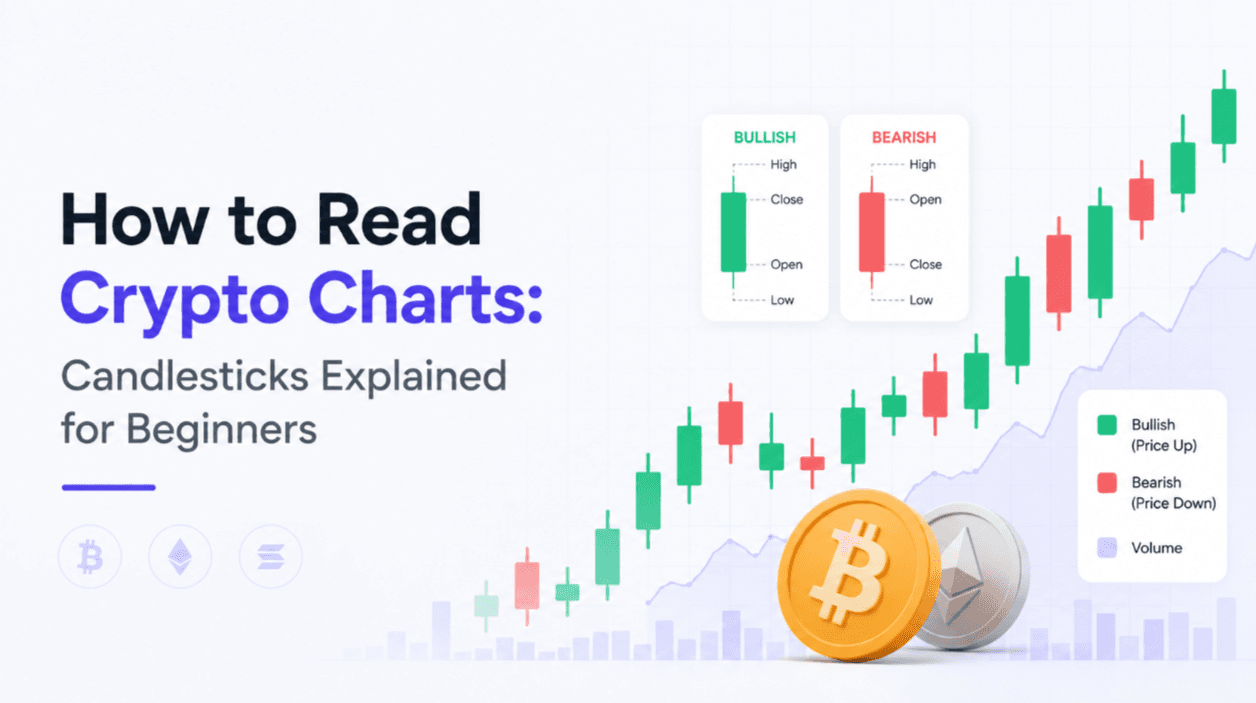
Candlestick charts pack open, high, low and close into a single shape. Here is how to read them without guessing.
Maria Fernandez · June 7, 2026→
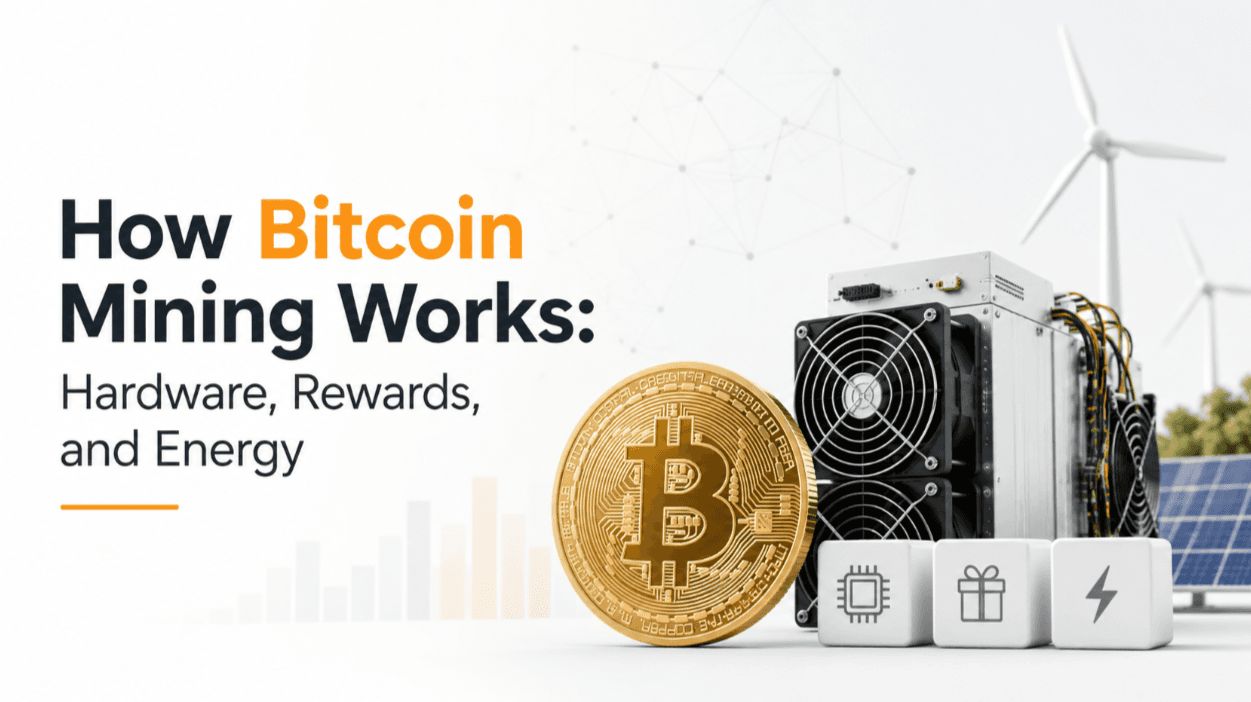
Mining secures the Bitcoin network and issues new coins. Here is how proof of work, ASIC machines, and difficulty adjustment fit together.
David Turner · June 7, 2026→
Smart contracts let agreements enforce themselves on a blockchain. Here is how they work, where they shine, and why audits still matter.
David Turner · June 4, 2026→
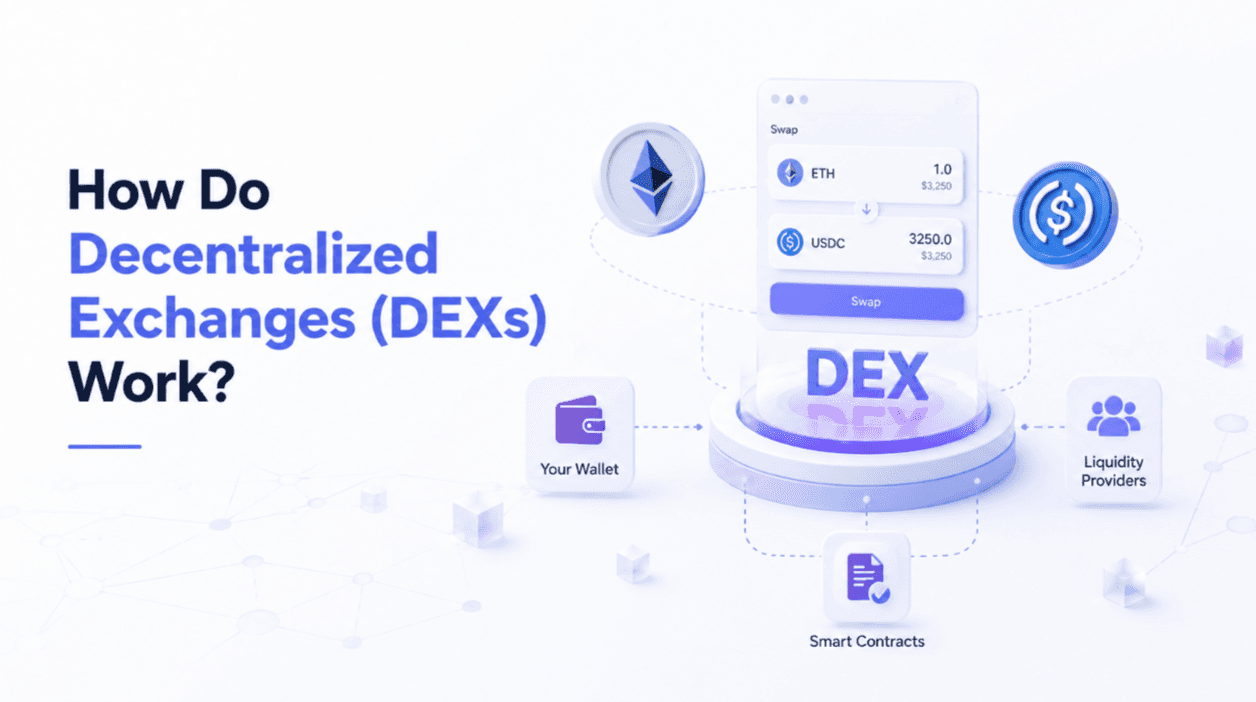
Decentralized exchanges let you trade tokens straight from your wallet, with no broker holding your funds. Here is how AMMs and liquidity pools price every swap.
Maria Fernandez · June 3, 2026→
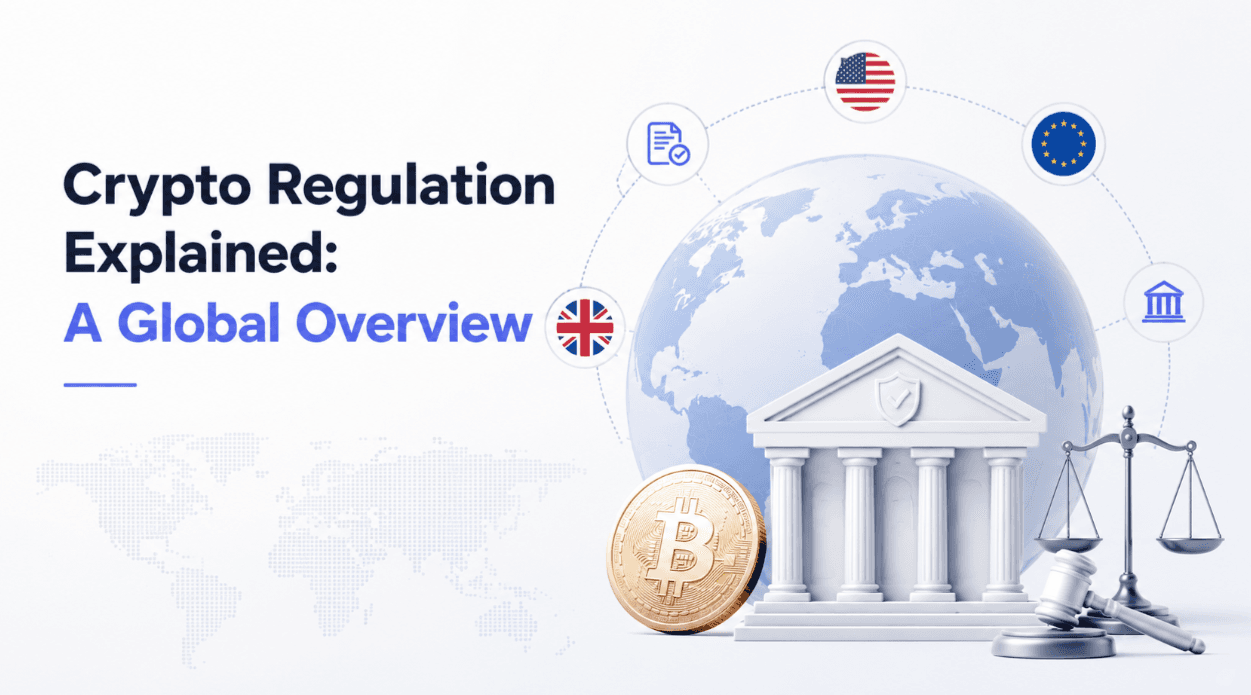
There is no single global rulebook for crypto. Instead, overlapping authorities apply securities, payments and anti-money-laundering law in ways that vary by country.
Emily Carter · June 2, 2026→
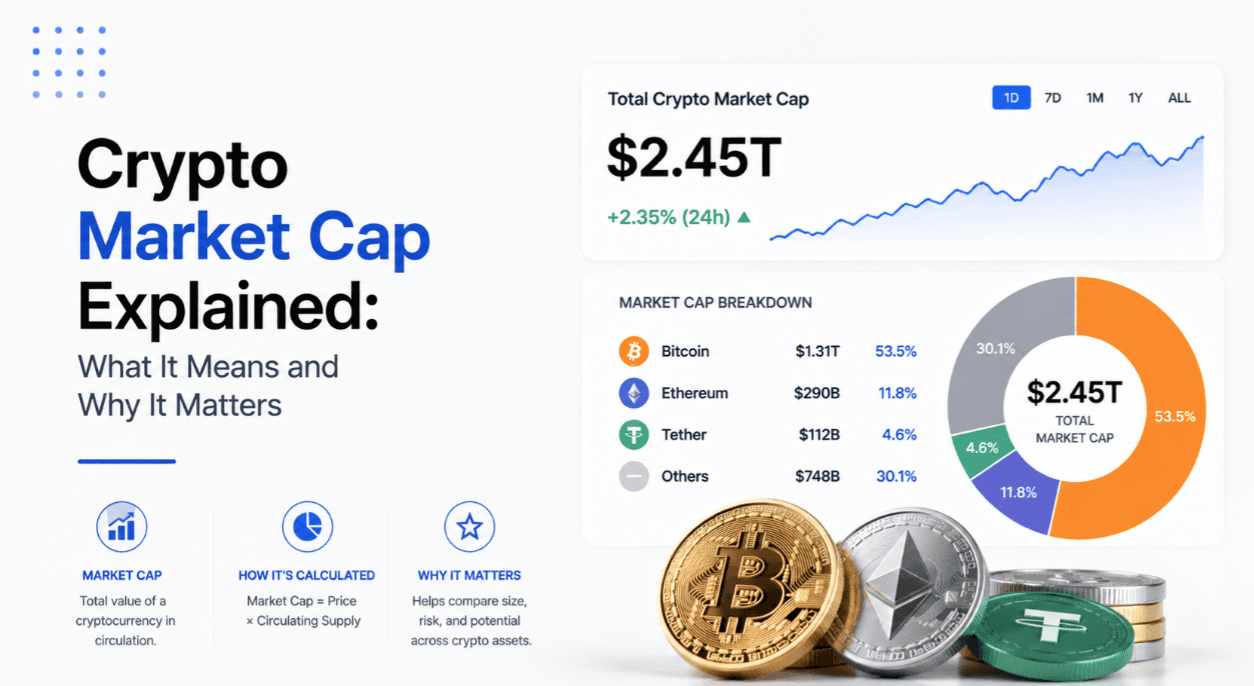
Market cap is the most quoted and most misunderstood number in crypto. Here is what it actually measures.
Maria Fernandez · May 31, 2026→
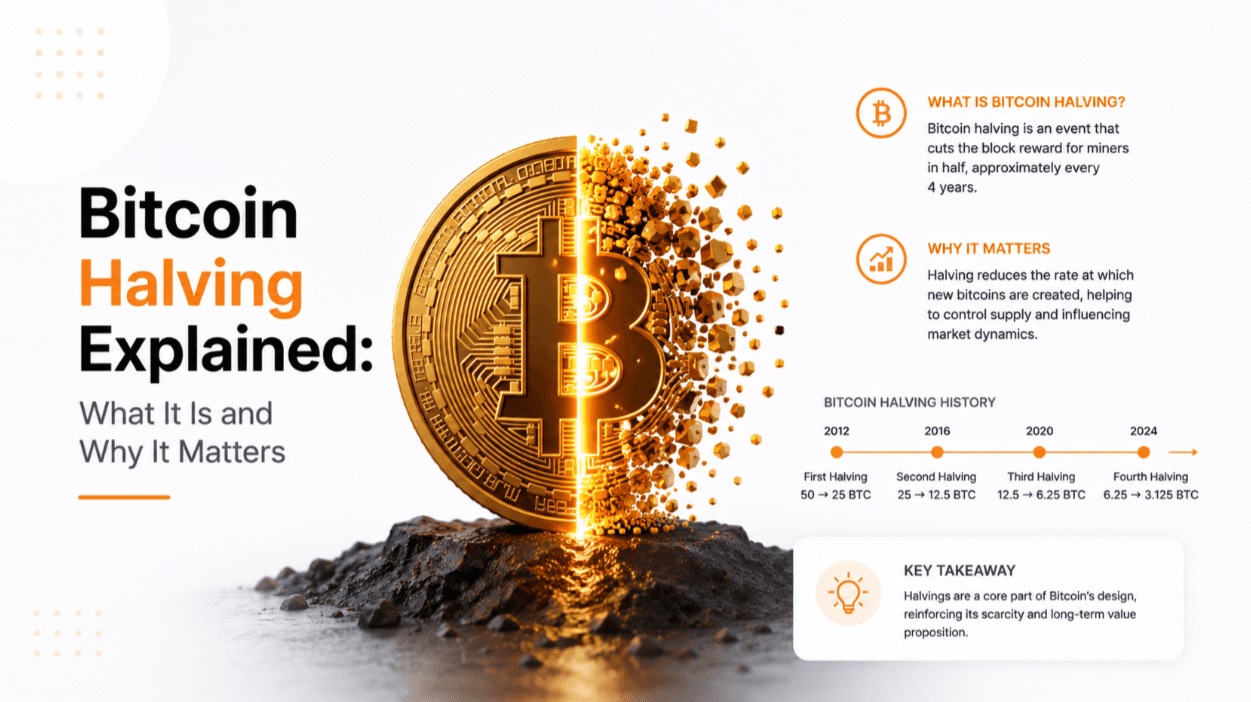
Every four years Bitcoin cuts its issuance rate in half. Here is how the halving works, what history shows, and why it shapes supply.
Maria Fernandez · May 28, 2026→
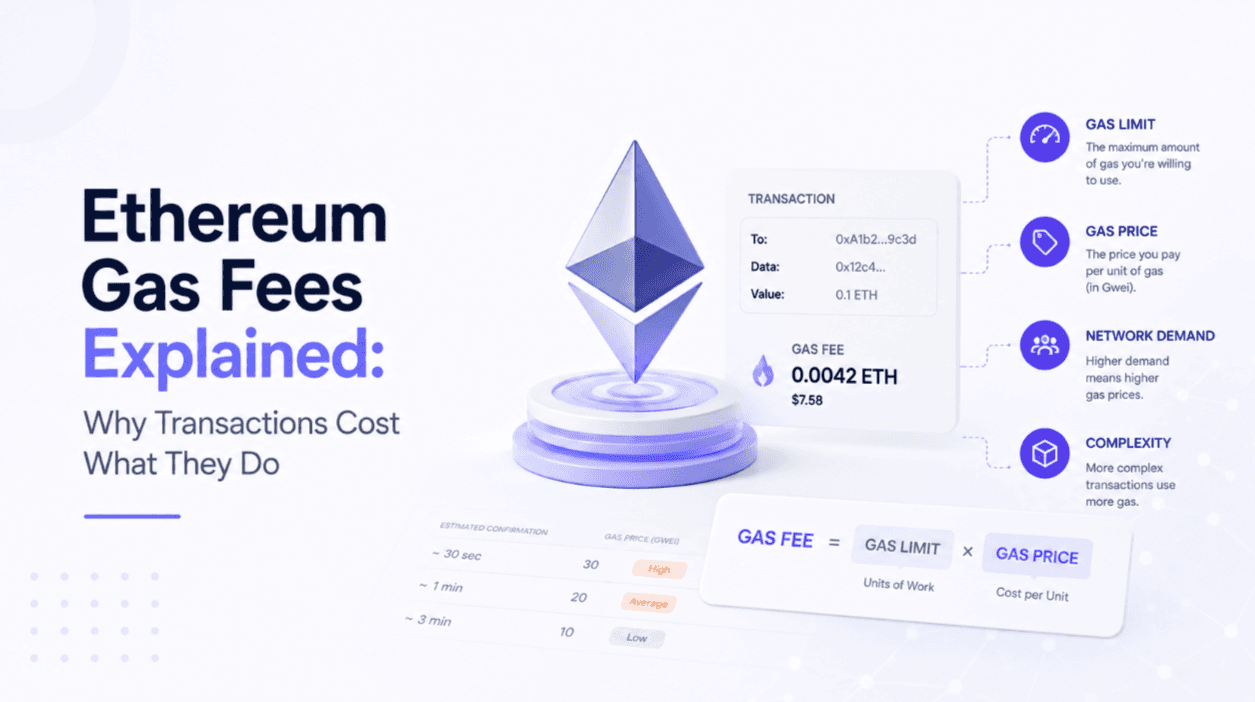
Gas is how Ethereum prices computation. Here is what you are really paying for, why fees swing so hard, and how to keep them down.
David Turner · May 25, 2026→
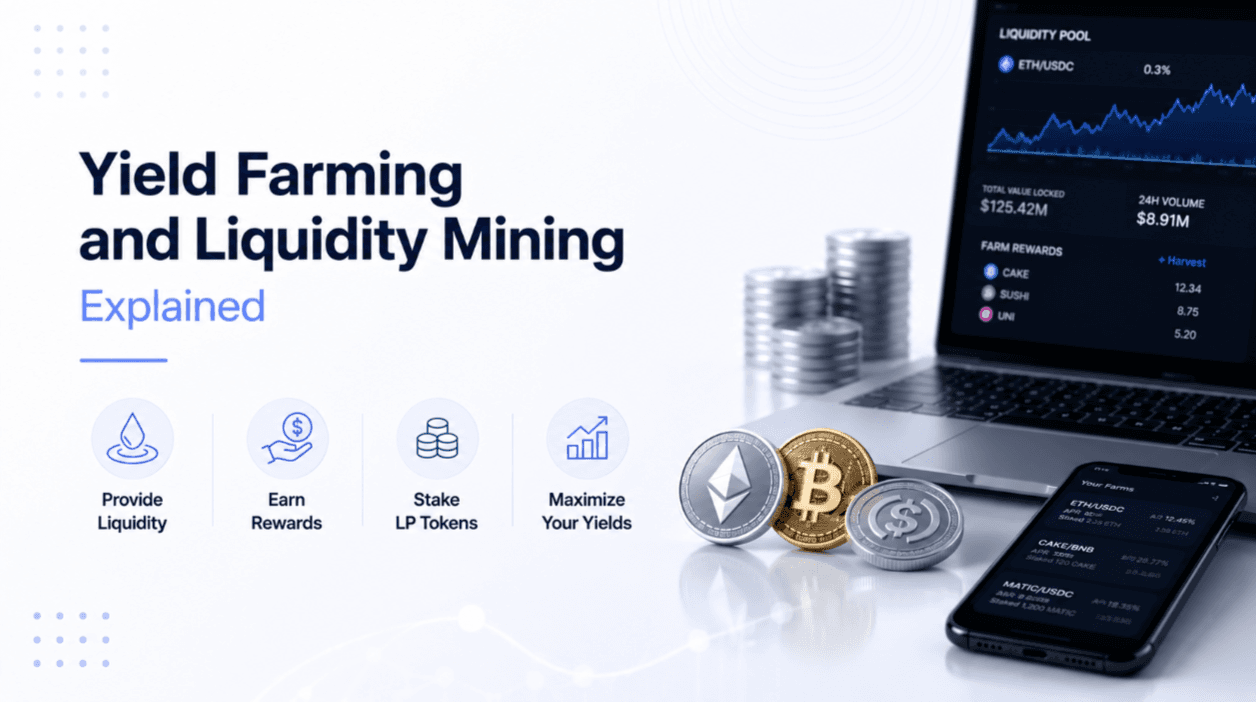
Yield farming chases returns by moving crypto between DeFi protocols. We break down where the yield comes from, how APY can mislead, and the risks behind big numbers.
David Turner · May 23, 2026→

MiCA is the European Union's dedicated framework for crypto-assets, creating one set of rules across member states for issuers, stablecoins and service providers.
Emily Carter · May 23, 2026→
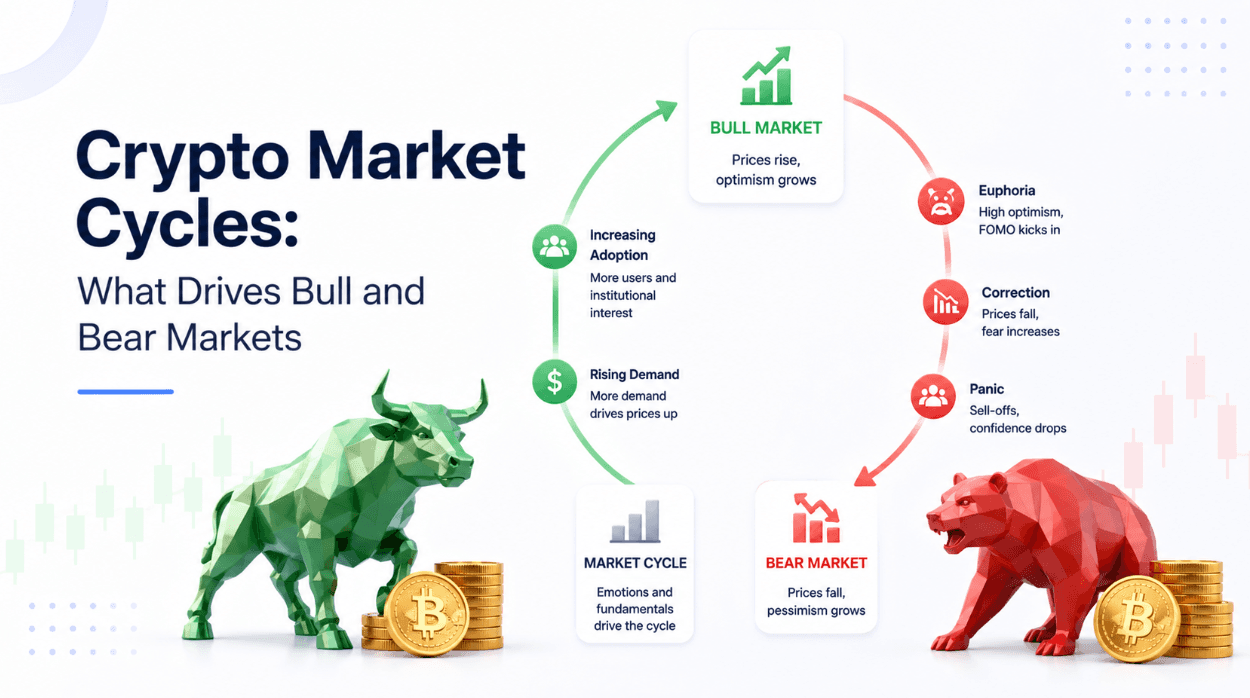
Crypto moves in cycles of expansion and contraction. Understanding the forces behind them beats trying to time them.
Maria Fernandez · May 23, 2026→
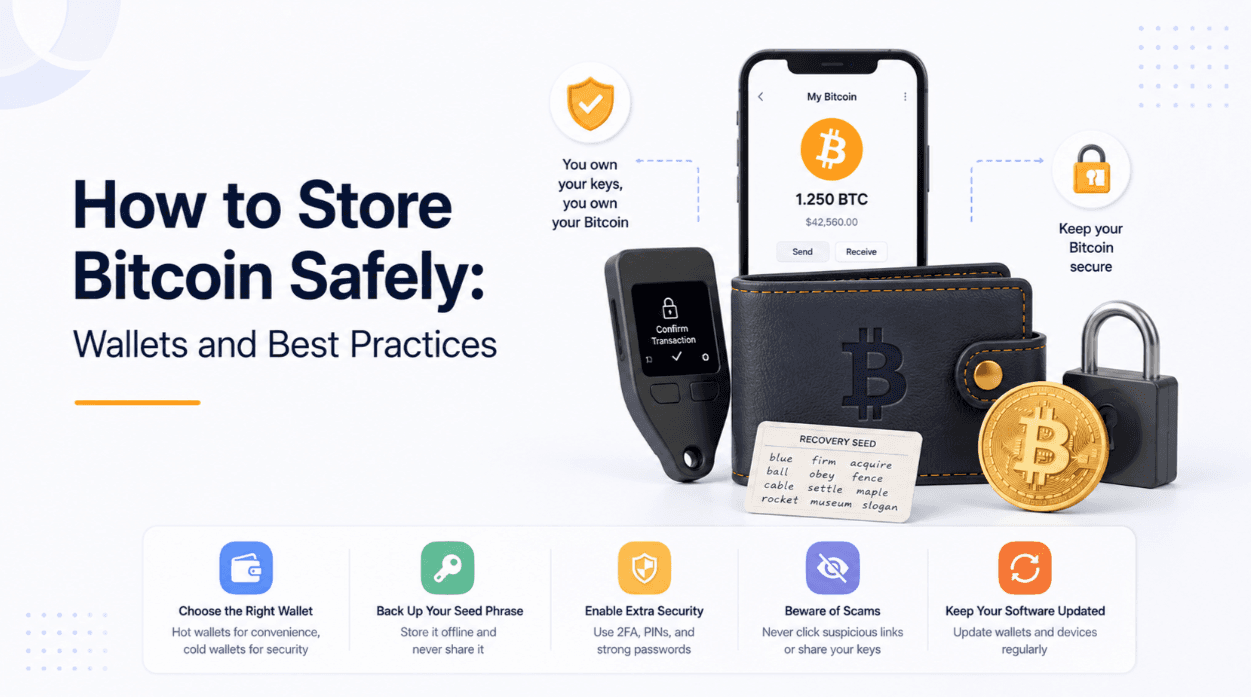
Storing bitcoin safely comes down to protecting your private keys. Here is how wallet types compare and the habits that keep funds secure.
David Turner · May 17, 2026→
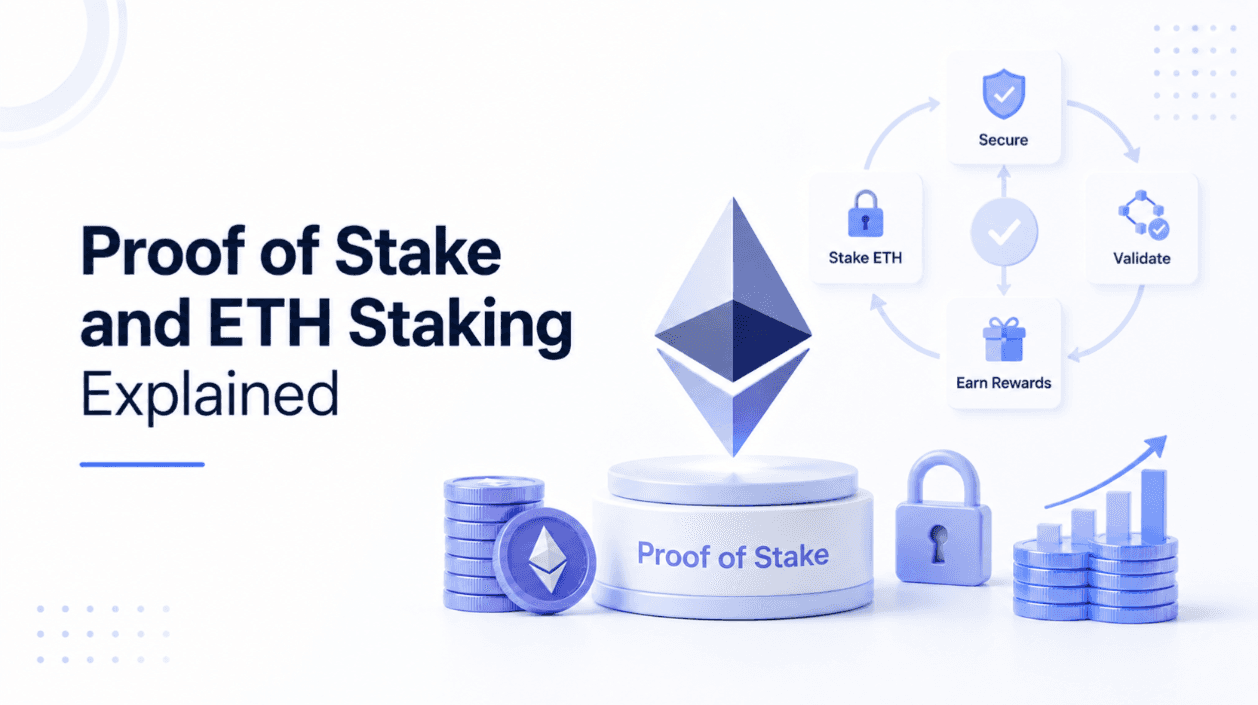
Ethereum secures itself with staked ETH instead of mining. Here is how validators, rewards and slashing work, and what staking really involves.
David Turner · May 16, 2026→
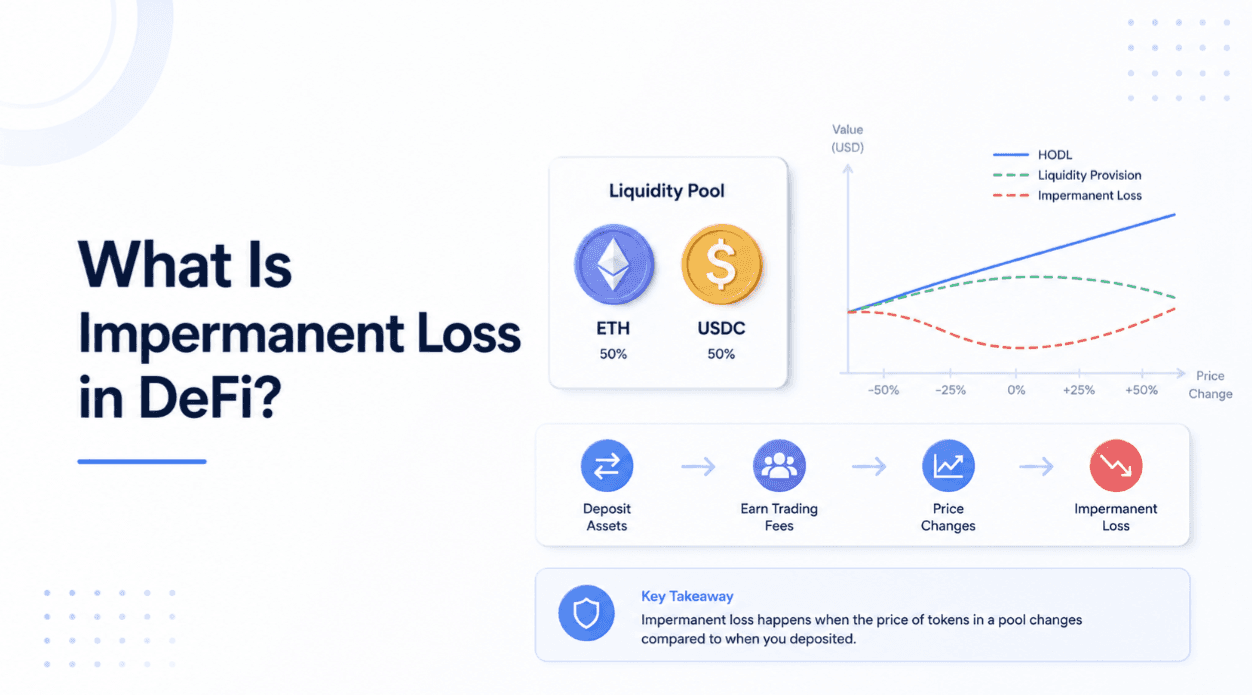
Impermanent loss quietly erodes the value of liquidity positions when token prices move. Here is why it happens, how big it gets, and when fees offset it.
Maria Fernandez · May 9, 2026→
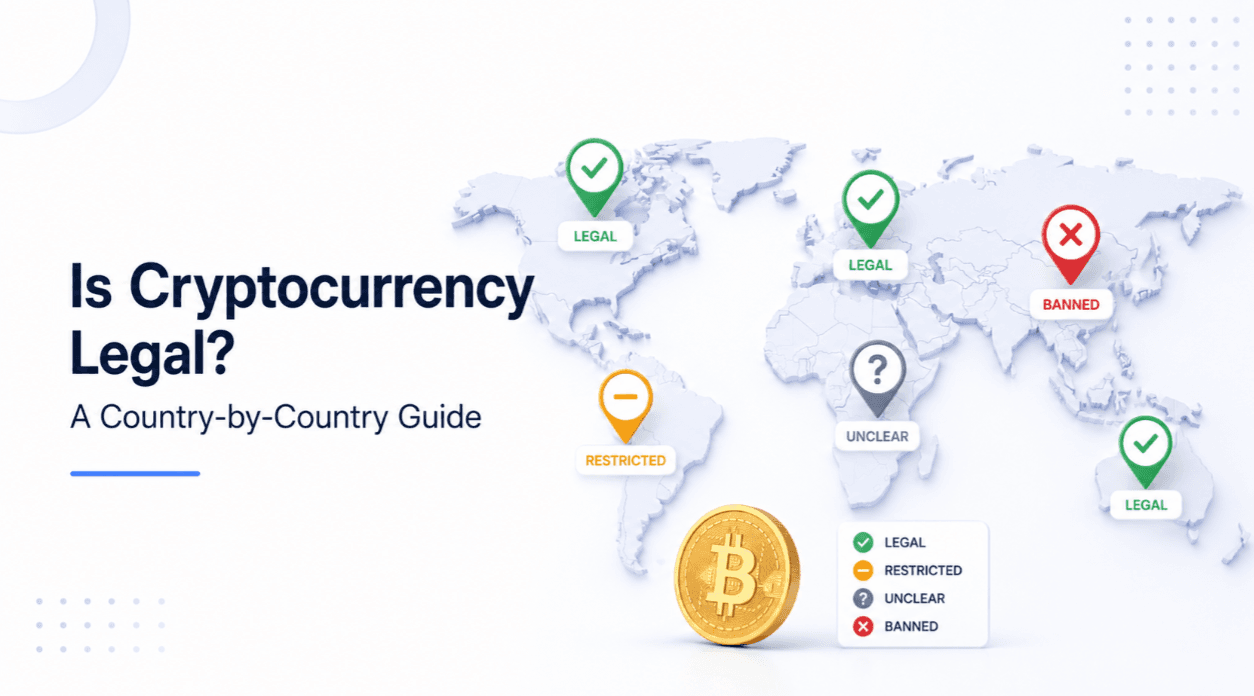
Cryptocurrency is legal to own and trade in most countries, restricted in some, and banned in a few. Status depends on local law and changes over time.
Maria Fernandez · May 9, 2026→
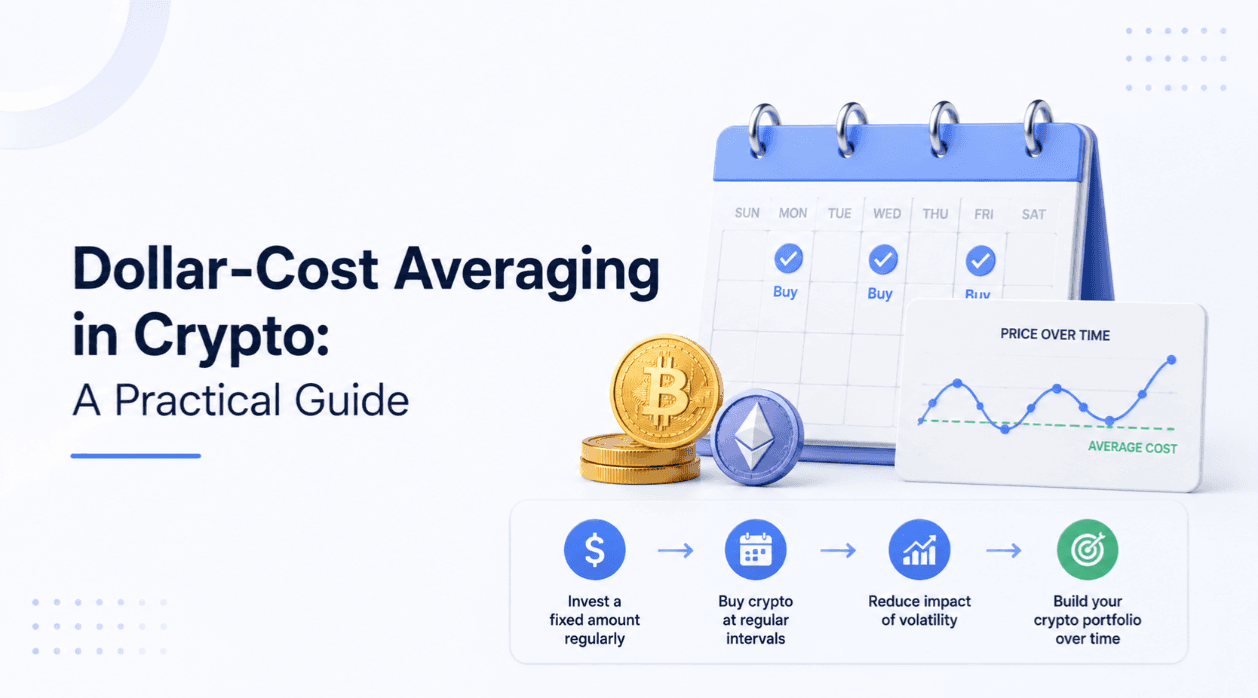
Buying fixed amounts on a fixed schedule removes the pressure of timing the market. Here is how DCA works in crypto.
David Turner · May 5, 2026→
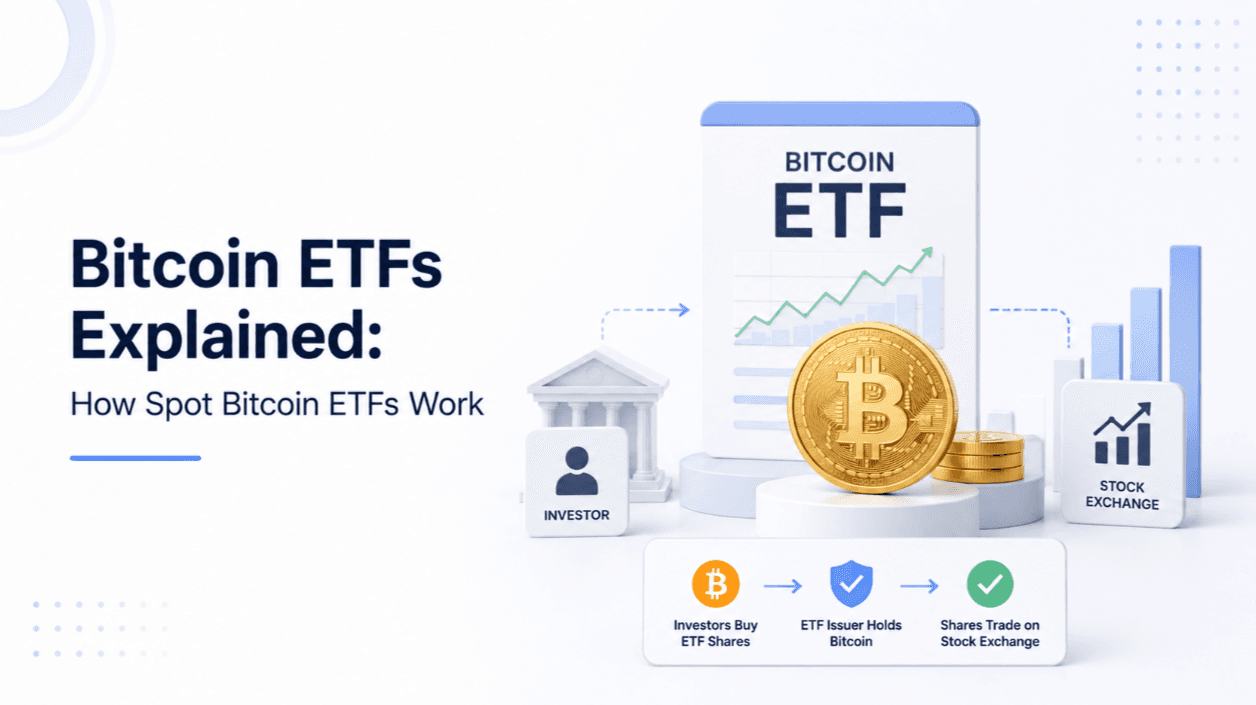
Spot Bitcoin ETFs let investors hold bitcoin exposure in a brokerage account. Here is how they work and how they differ from owning coins.
Maria Fernandez · May 3, 2026→
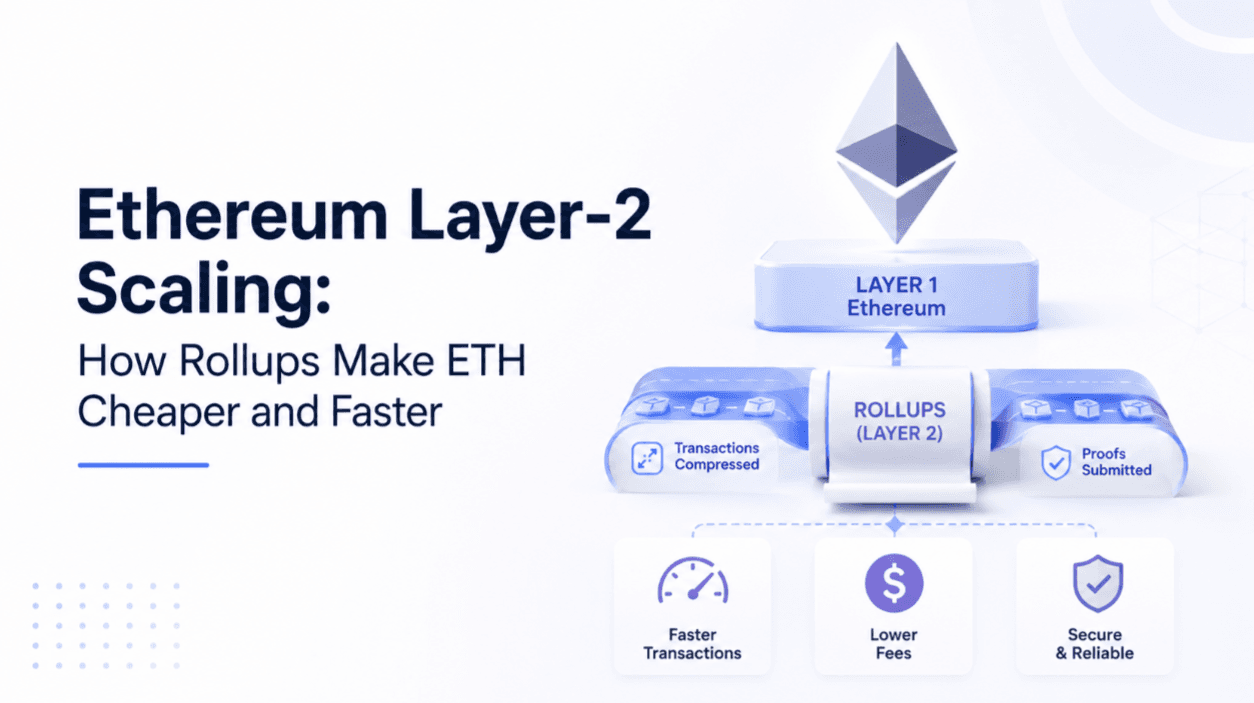
Rollups move execution off Ethereum’s base layer while keeping its security. Here is how optimistic and zk-rollups work and where they differ.
Maria Fernandez · May 3, 2026→
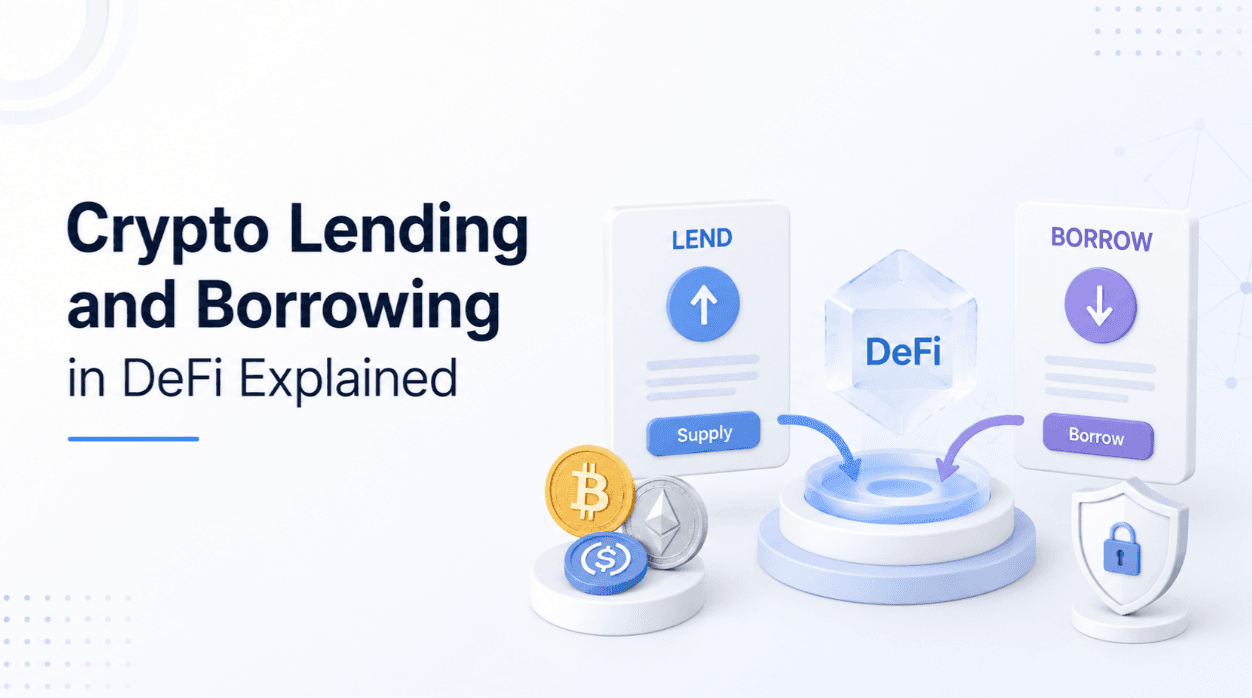
DeFi lending markets let anyone earn interest or borrow against crypto, governed entirely by code. Here is how collateral, rates, and liquidations actually work.
David Turner · May 2, 2026→
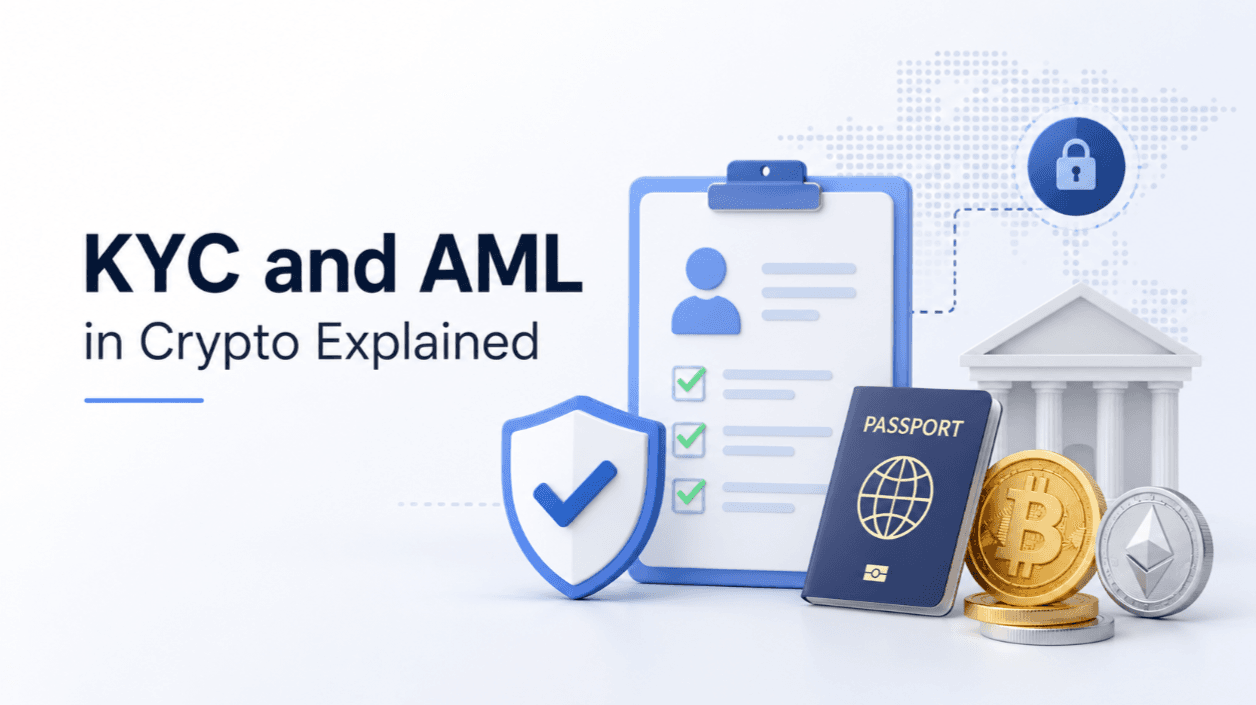
KYC verifies who you are; AML is the broader effort to stop illicit money moving through crypto. Together they shape how regulated platforms operate.
Emily Carter · April 27, 2026→
Volatility is the price of admission to crypto. Managing it — rather than fearing it — is what separates survivors from casualties.
Maria Fernandez · April 25, 2026→