Crypto Scams: The Nine Patterns That Still Work
DeFi Protocols & RWA On-Chain AnalystDeFi Protocols & RWA On-Chain Analyst · September 9, 2026 · 10 min read
Published September 9, 2026 · Reviewed to our editorial standards. This article is informational and not financial advice.
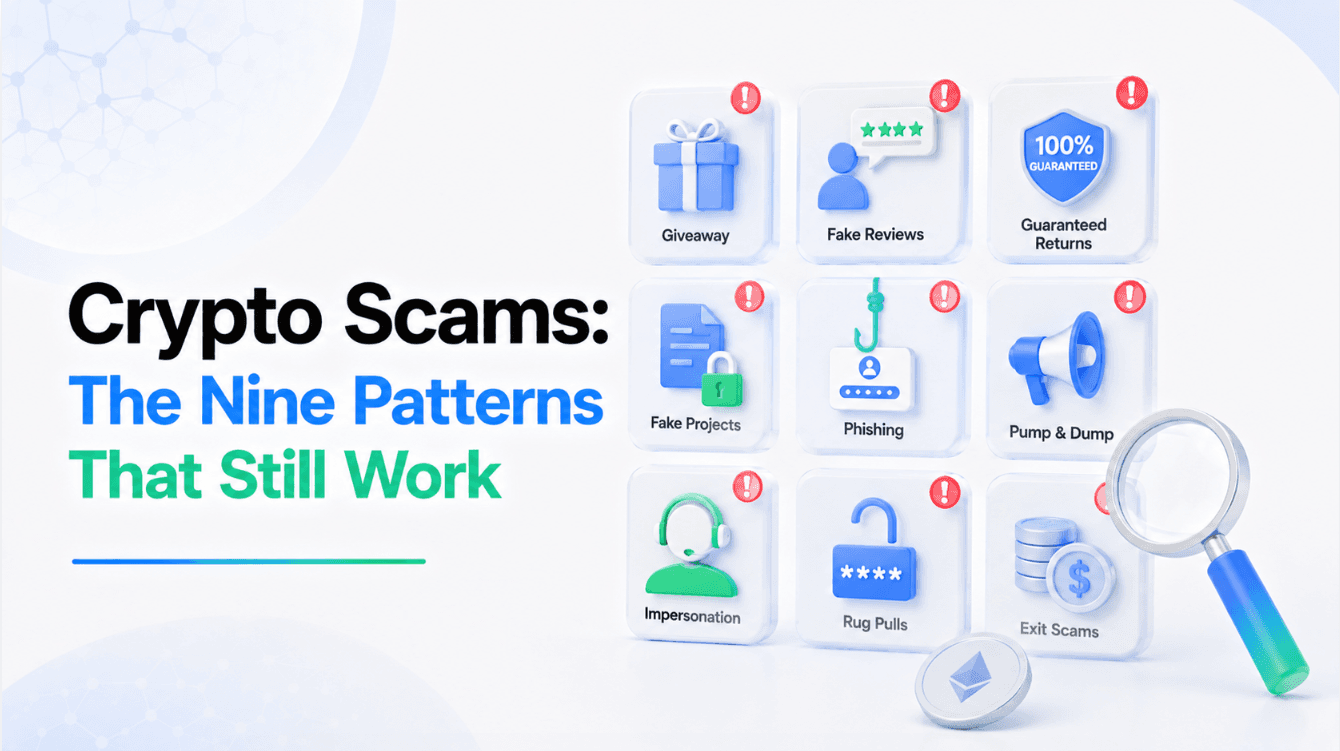
Crypto scams look endlessly novel and are structurally repetitive. Beneath the changing surface there are perhaps nine patterns, each with a tell that gives it away early, and almost every loss reported publicly fits one of them.
Learning the shapes is more durable than learning the current names, because the names change every quarter and the shapes do not.
1. The recovery phrase request
Any request for your seed phrase, in any context, from anyone. Support, migration, validation, an airdrop claim, a wallet upgrade. There is no legitimate version. The elaborate justification attached is the scam, not a reason to reconsider.
2. The approval drain
You sign what looks like a routine confirmation on a site that looks right. Nothing happens. Weeks later the tokens are gone, because you granted a contract permission to move them. This is the mechanism behind most EVM wallet losses, and it is covered fully in token approvals. The tell: an approval prompt when you expected a swap.
3. The impersonated support agent
You post publicly about a problem and receive help within minutes from an account with the right logo. It moves to private messages, walks through a diagnostic, and arrives at a screen asking you to import a wallet or approve a transaction. The tell: they contacted you.
4. The fake site above the real one
A paid search result for the exact product you use, with a pixel-accurate clone behind it. The tell: you arrived by clicking rather than by bookmark. Our guide on spotting fake crypto apps covers the checks in detail.
5. The giveaway that requires a deposit
Send 0.1 ETH, receive 0.2 back — endorsed by a hacked or impersonated account with a convincing follower count, often over a live video. The tell is arithmetic: nobody doubles money for strangers, and the promise is identical whether it is 2016 or now.
6. The romance and long-con investment scam
Weeks of genuine-seeming conversation, then an investment platform that shows growing returns and permits small withdrawals — until the large one requires a tax payment, then a fee, then a deposit. This pattern takes the largest sums of any on this list because it recruits trust before it asks for money.
The tell is structural: an investment opportunity that arrived through a relationship rather than a search, on a platform nobody you know has heard of, with a dashboard that only exists on their site.
7. The token you cannot sell
You buy, the chart rises, and every sale reverts — the contract permits buying and blocks selling for anyone but the deployer. The tell: an unaudited token contract with no verified source, promoted urgently, where the only liquidity is a pool the deployer controls.
8. The rug pull
A functioning project with real liquidity, until the team removes it or mints an unlimited supply. The tells are permissions rather than promises: an unlocked liquidity pool, an unrenounced mint function, upgradeable contracts controlled by a single key. All of that is public before you buy, which is why our DeFi protocol table scores who can change what.
9. The recovery service
The cruellest pattern: after you have been scammed, someone offers to recover the funds for an upfront fee. Blockchain transactions are irreversible, and nobody can retrieve them for a fee. Victims of the first eight are the target market for the ninth.
Why the same patterns keep working
None of these require technical sophistication, and that is precisely why they persist. They exploit ordinary reasoning under pressure: an authority that seems legitimate, a deadline that seems real, a person who has been kind to you for six weeks. The blockchain part is incidental — it only determines that the transfer cannot be reversed once made.
That irreversibility is what makes crypto attractive to this industry. A card payment can be charged back and a bank transfer can sometimes be recalled; an on-chain transfer is final within minutes. Every pattern here is a way of getting an ordinary person to make an irreversible decision quickly, and the countermeasure is almost always to slow down rather than to become more expert.
If it has already happened
Move any remaining funds to a fresh wallet before doing anything else, since an unidentified approval or a compromised key is still live while you investigate. Then revoke approvals on the affected address, document the transaction hashes from a block explorer, and report to your national fraud authority and to any exchange the funds reached — occasionally a receiving account can be frozen if you are quick.
Do not engage with anyone who contacts you afterwards offering recovery. Victim lists circulate, and pattern nine exists precisely to collect a second payment from people who have already lost once.
What all nine have in common
- Urgency: a window that closes, a price that moves, a support ticket that expires.
- Contact you did not initiate, or arrival by a route you did not choose.
- A request to sign, send or reveal something before you have had time to check it independently.
- An outcome that is guaranteed, which no real investment is.
A useful test before any irreversible action: could you explain this decision, out loud, to someone who is not involved and not excited? Most of these patterns collapse at that sentence, which is why isolation is a tool the people running them work hard to maintain.
Which is why the defences are boring and durable: arrive by bookmark, refuse every phrase request, read what you sign, and treat urgency itself as the warning. If a decision cannot survive twenty-four hours of delay, that is information about the decision.
Frequently asked questions
What is the most common crypto scam?+
Approval drains and phishing sites account for the largest share of individual losses on EVM chains, while romance and long-con investment scams take the largest sums per victim. All of them depend on a signature or a transfer you make yourself.
Can stolen crypto be recovered?+
Almost never. Transactions are irreversible, and anyone offering recovery for an upfront fee is running a second scam against victims of the first. Report it to your local authority and to the exchange if the funds moved to one, but treat promises of retrieval as fraudulent.
How do I check whether a token is a honeypot?+
Look at whether the contract source is verified, whether the liquidity pool is locked, whether a mint function remains open, and whether anyone other than the deployer has successfully sold. All of that is public before you buy.
Why do scammers create urgency?+
Because verification takes time and doubt grows with it. Every pattern on this list works better against someone who believes the opportunity closes shortly, which is why a deadline is itself a reason for suspicion.
Written by
Maria FernandezDeFi Protocols, Real-World Assets, On-Chain Analytics, Stablecoins, Spanish-Language Coverage
Maria Fernandez is an On-Chain Research Analyst at **CRYPTO·COINBEAT**, specializing in real-world asset (RWA) tokenization, decentralized finance, and stablecoin ecosystems. Originally from Mexico City and now based in Miami, Maria brings a unique Latin American perspective to blockchain research, combining deep technical analysis with insights into emerging digital asset markets across the Americas. Before joining **CRYPTO·COINBEAT**, Maria spent several years researching decentralized finance protocols, producing in-depth analysis on lending platforms, governance systems, and the growing adoption of tokenized real-world assets. Her early research into institutional RWA integration and decentralized collateral models helped explain one of the fastest-growing sectors within the blockchain industry. Maria's analytical approach combines on-chain transaction analysis, protocol revenue metrics, liquidity monitoring, and governance activity to evaluate the long-term health of DeFi ecosystems. She works extensively with blockchain analytics platforms, including Dune Analytics, Nansen, and Flipside Crypto, and has created numerous public dashboards that simplify complex blockchain data for investors and researchers alike. Her coverage of stablecoin market events and liquidity shifts has helped readers better understand risk during periods of heightened market volatility. She holds a B.Sc. in Industrial Engineering from ITAM (Instituto Tecnológico Autónomo de México) and a Graduate Certificate in FinTech from MIT Sloan. Passionate about blockchain education, Maria regularly contributes both English- and Spanish-language research, helping make advanced on-chain analysis more accessible to a global audience while supporting the continued growth of crypto adoption throughout Latin America.
Keep Reading
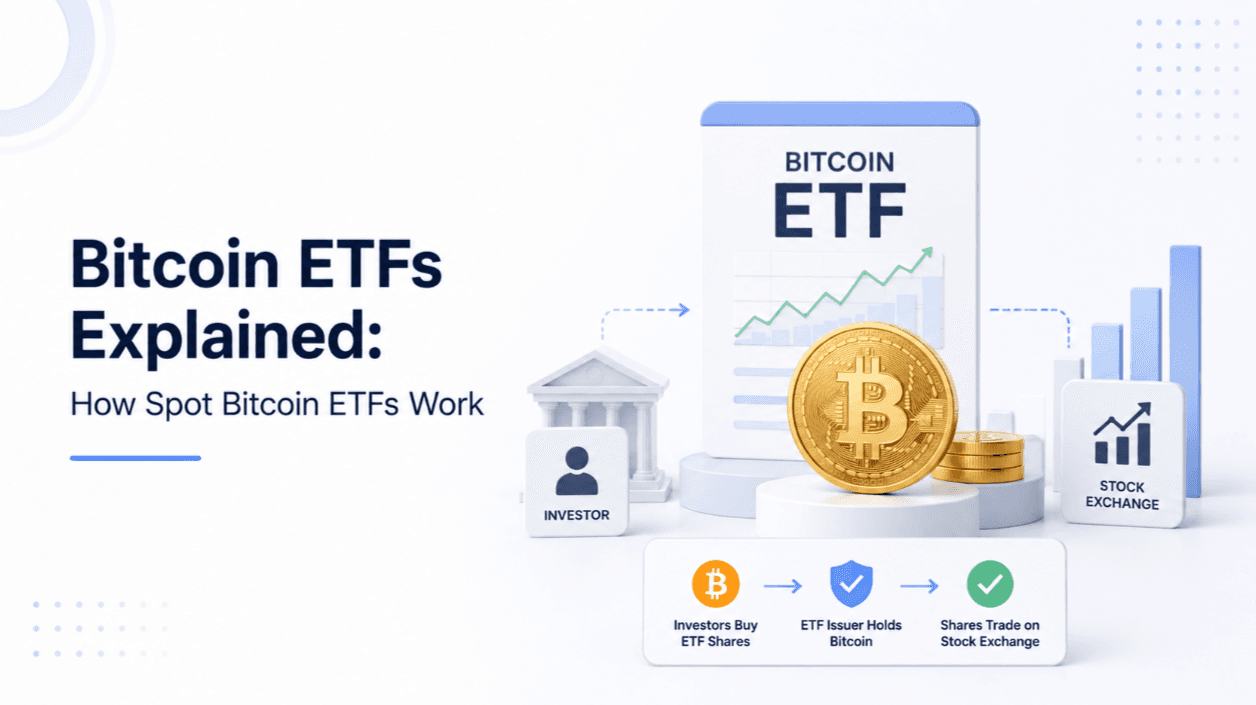
Bitcoin ETFs Explained: How Spot Bitcoin ETFs Work
Spot Bitcoin ETFs let investors hold bitcoin exposure in a brokerage account. Here is how they work and how they differ from owning coins.
Maria Fernandez · May 3, 2026→
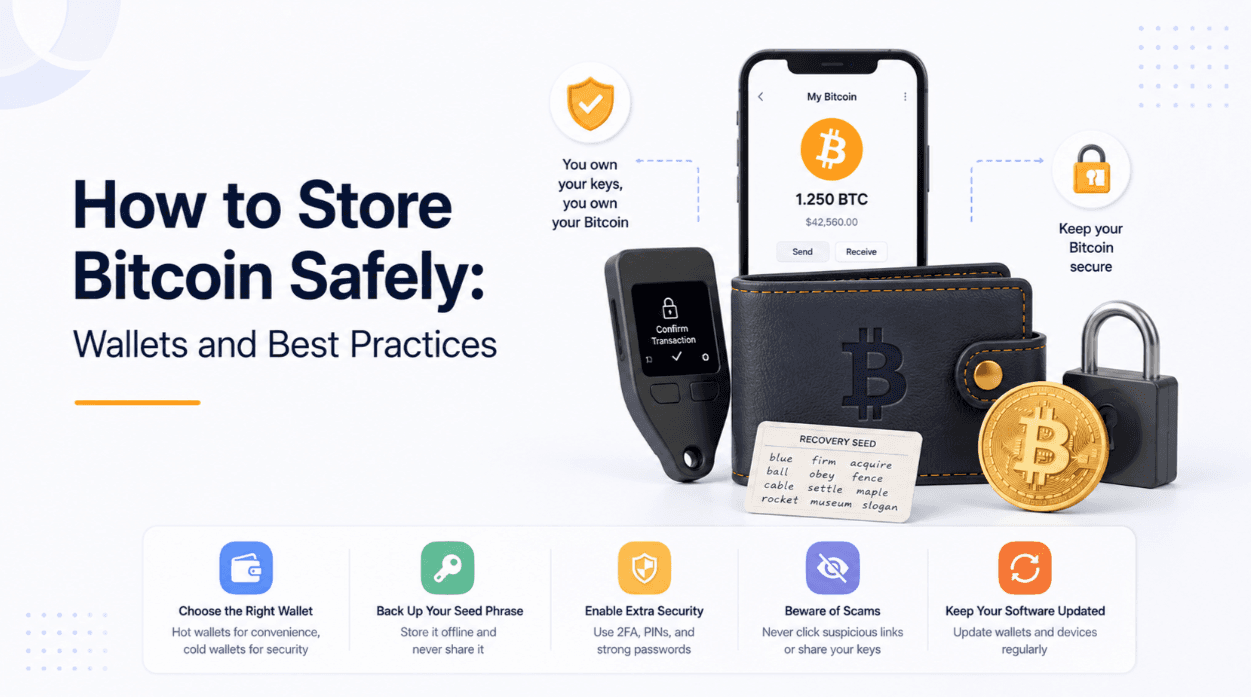
How to Store Bitcoin Safely: Wallets and Best Practices
Storing bitcoin safely comes down to protecting your private keys. Here is how wallet types compare and the habits that keep funds secure.
David Turner · May 17, 2026→
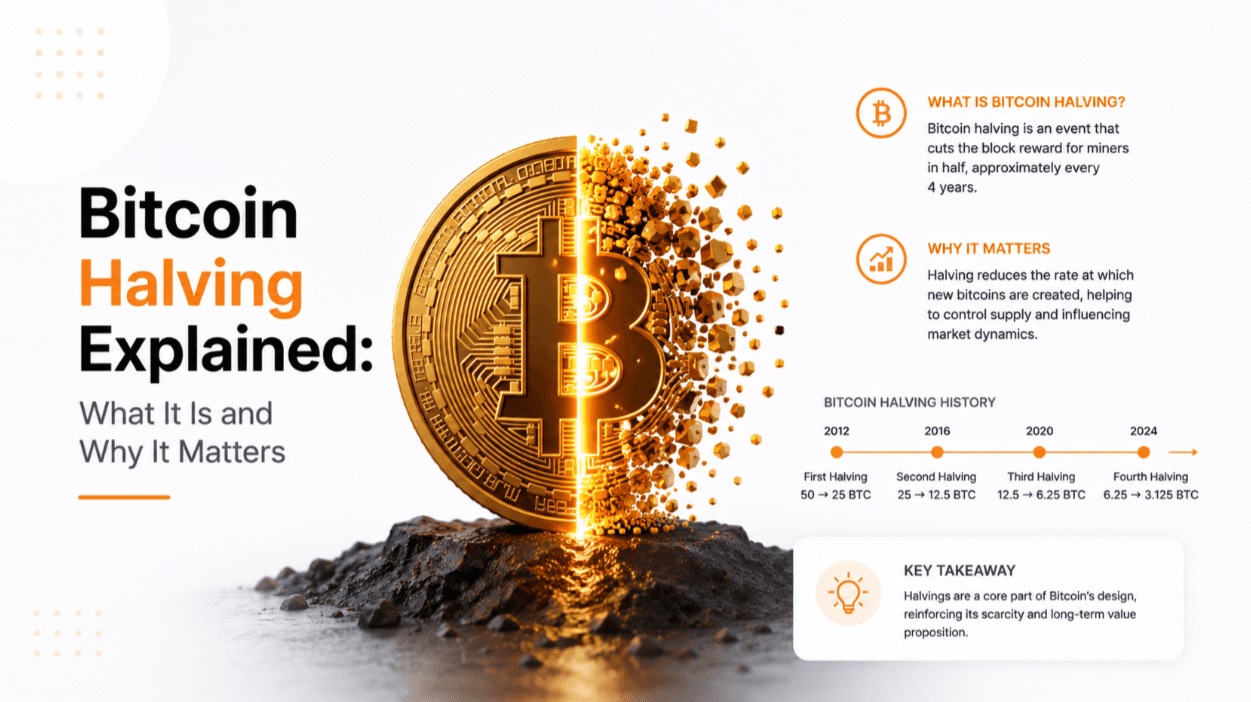
Bitcoin Halving Explained: What It Is and Why It Matters
Every four years Bitcoin cuts its issuance rate in half. Here is how the halving works, what history shows, and why it shapes supply.
Maria Fernandez · May 28, 2026→